
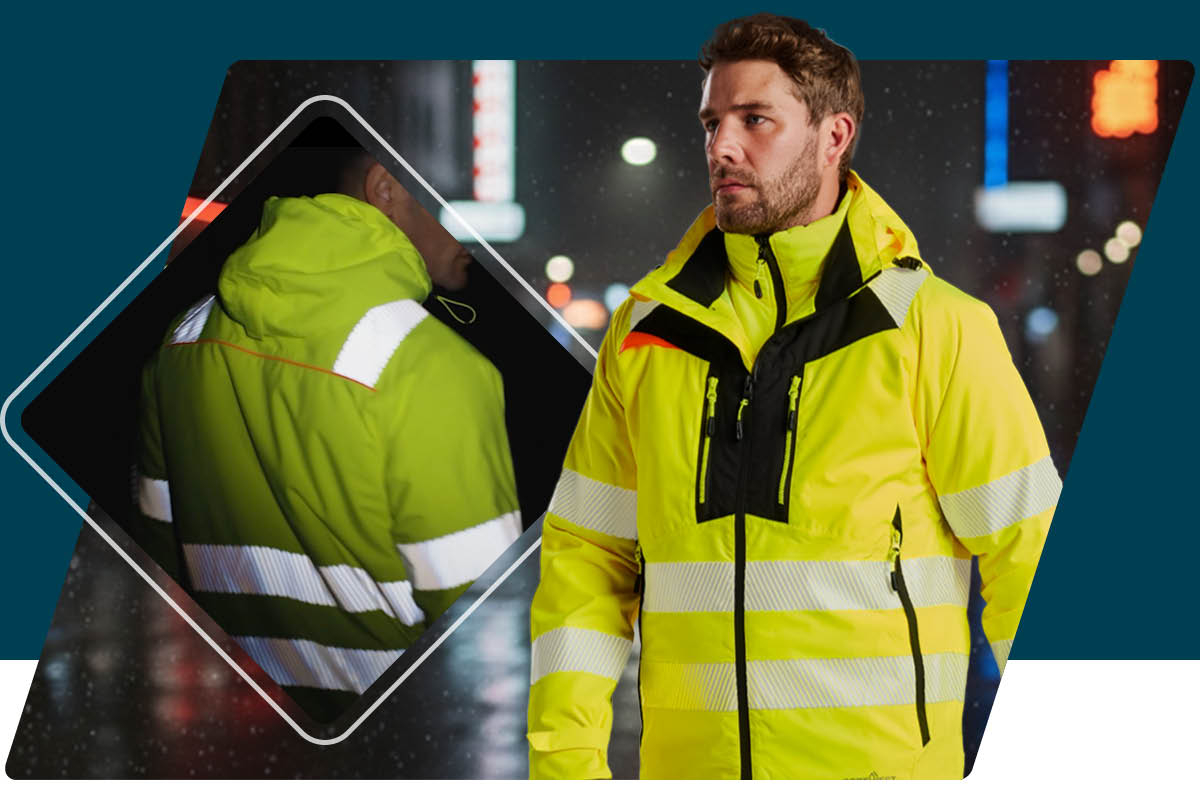
As the days grow shorter and temperatures drop, the risks increase for anyone working outdoors. From construction sites to roadwork and winter services – without proper protective equipment, the work becomes dangerous and physically more demanding. Winter high-visibility clothing combines excellent visibility with insulating materials and functional extras to make everyday work safer and more comfortable. But what exactly defines good winter hi-vis clothing? And which standards must it meet?
Challenges of working outdoors in winter
Winter brings a variety of challenging conditions:
Reduced visibility: Darkness, fog, rain and snowfall significantly reduce visibility.
Cold & wind: Low temperatures strain the body, reduce concentration and can lead to hypothermia.
Moisture & snow: Wet clothing causes rapid cooling and limits mobility.
Slippery surfaces: Snow and ice make work more difficult and greatly increase the risk of accidents.
High-visibility workwear is therefore not just a comfort factor – it is essential for safety.
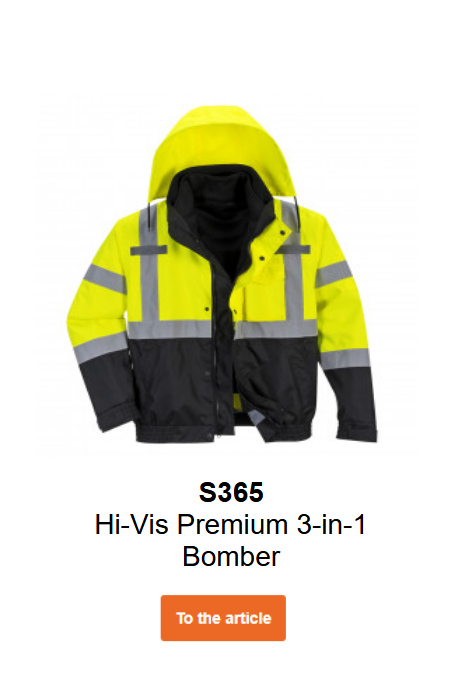
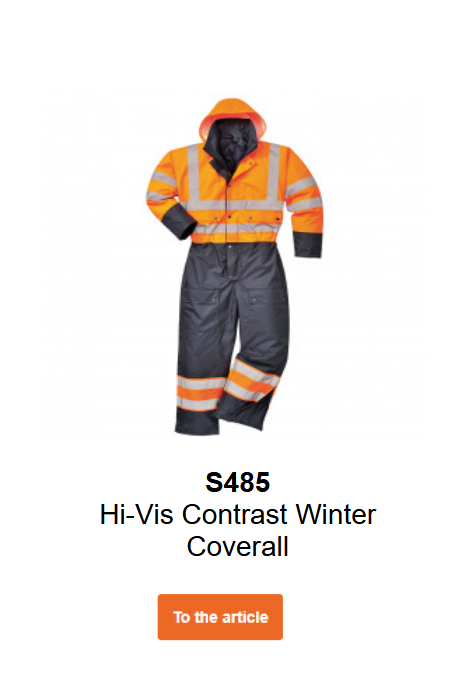
How functional high-visibility clothing makes work easier
Modern winter hi-vis clothing is designed to meet the extreme demands of the cold season. It offers:
1. High visibility in all weather conditions
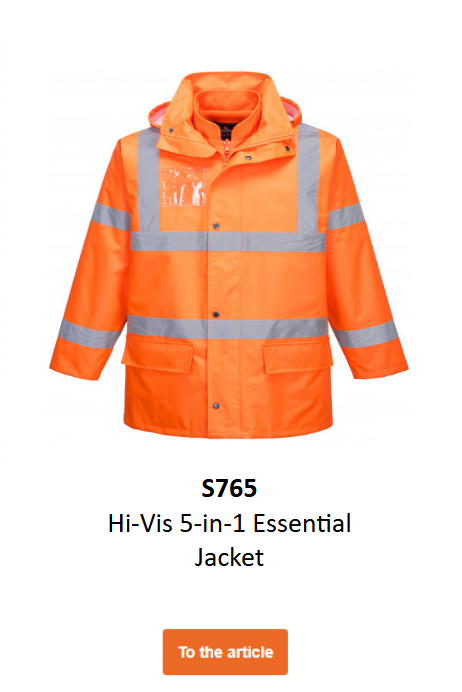
Thanks to fluorescent yellow or orange fabrics and wide retroreflective stripes, workers remain visible even in poor lighting conditions. These signal colours allow the wearer to stand out from the background – a vital advantage in road traffic or on construction sites.
2. Warming and insulating materials
Multi-layer construction, padding and windproof membranes ensure that body heat is retained, while breathable fabrics prevent overheating during strenuous activities.
3. Waterproof & windproof properties
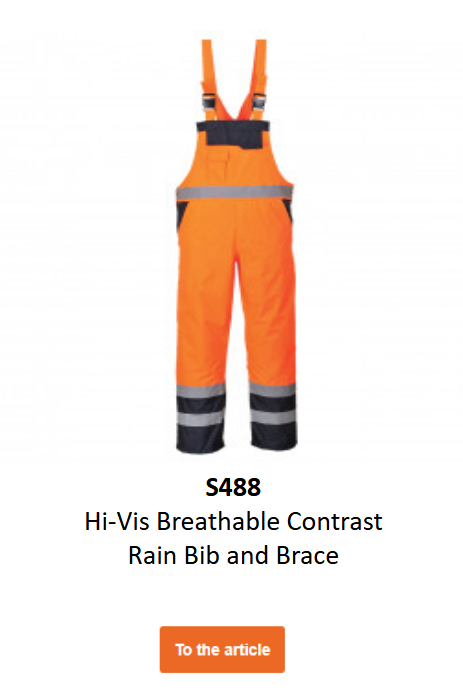
Coated outer fabrics and taped seams protect against rain and snow. This keeps the clothing dry – a crucial factor for comfort and health during long work shifts.
4. Freedom of movement & comfort
Elastic inserts, ergonomic cuts and lightweight materials ensure full mobility despite additional protective layers.
5. Smart features for everyday work
Many winter hi-vis garments offer practical extras such as:
- Detachable hoods
- Inner and outer pockets for tools
- Snow skirts
- Chin guards and high collars
- Ventilation zippers
European standards for winter high-visibility clothing
To ensure maximum safety, high-visibility clothing must meet strict standards. The most important are:
EN ISO 20471 – High-visibility clothing
This standard defines how visible high-visibility clothing must be. It specifies minimum areas of fluorescent material and reflective stripes, as well as reflective performance. Class 3 offers the highest level of protection – ideal for work on roads and in low visibility.
EN 343 – Protection against rain
This standard describes protection against precipitation, moisture and wind. It evaluates waterproofness and breathability. Winter hi-vis clothing should reach at least Class 3 or 4 to reliably protect against wet conditions.
EN 342 – Protection against cold
This standard specifically applies to cold-protection clothing and evaluates:
- Insulation
- Air permeability
- Waterproofness (optional)
It is especially important for work environments with extreme cold.
Winter high-visibility clothing is an indispensable part of any outdoor personal protective equipment. It not only protects against cold, wind and moisture but also ensures that workers remain visible in poor lighting conditions. By complying with European standards, it guarantees maximum safety. Choosing high-quality, standard-compliant winter hi-vis clothing improves comfort, performance and safety in demanding winter conditions.