When is workwear protective clothing?
Ordinary workwear is about comfort and durability. Protective clothing goes a step further: it has been tested in a laboratory against a specific hazard and may only carry a CE mark and standard number once it passes that test. If there's no standard on the label, it isn't personal protective equipment — no matter how sturdy the garment feels.
Which protection you need follows from the workplace's risk inventory and evaluation (RI&E). That determines whether someone needs to work in flame-retardant, anti-static, high-visibility or waterproof clothing, and in which class.
Choose by risk
- Flame retardant – against flames, heat, weld spatter and arc flash. EN ISO 11611, 11612, 14116 and IEC 61482.
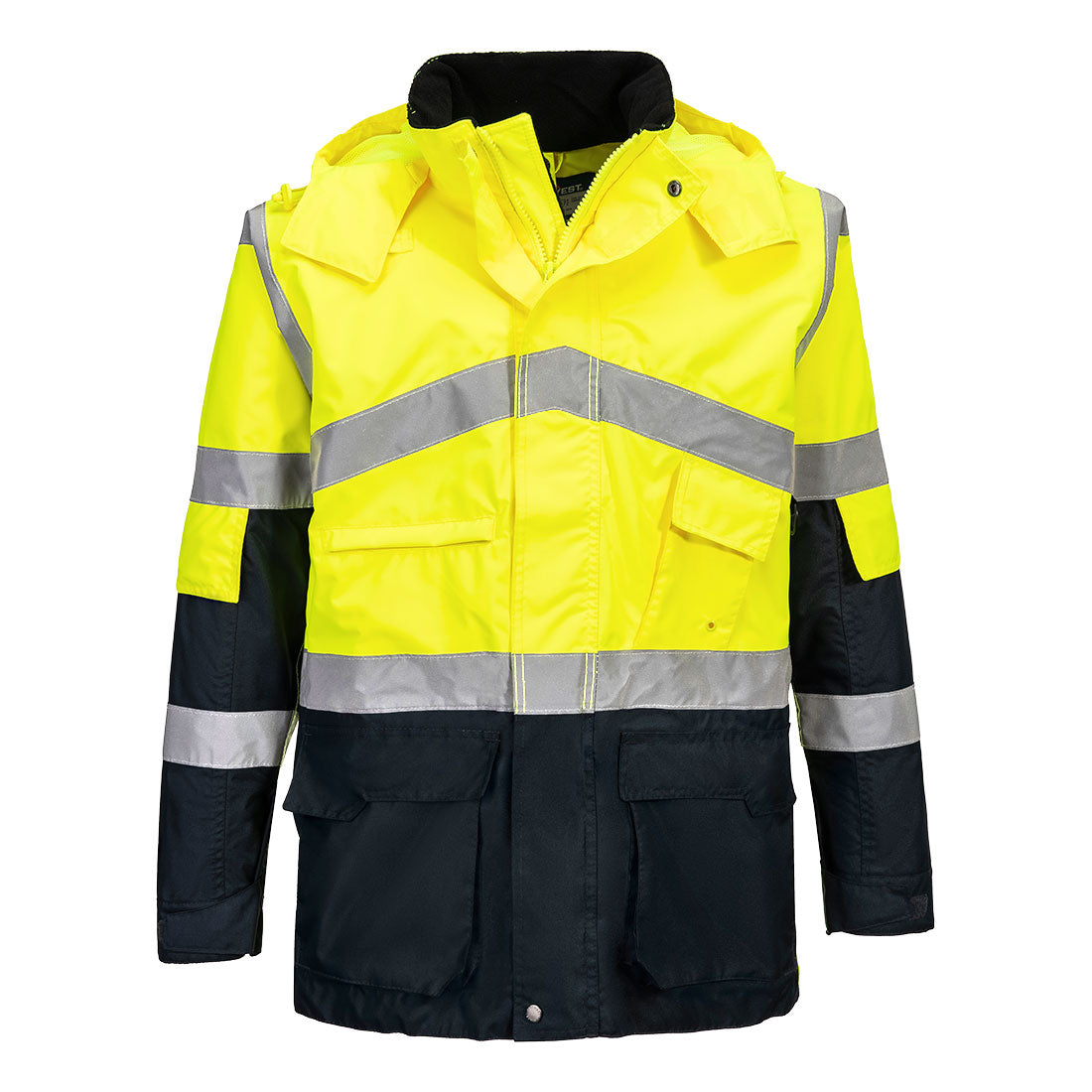
- High visibility – high-visibility clothing according to EN ISO 20471, in class 1, 2 and 3.
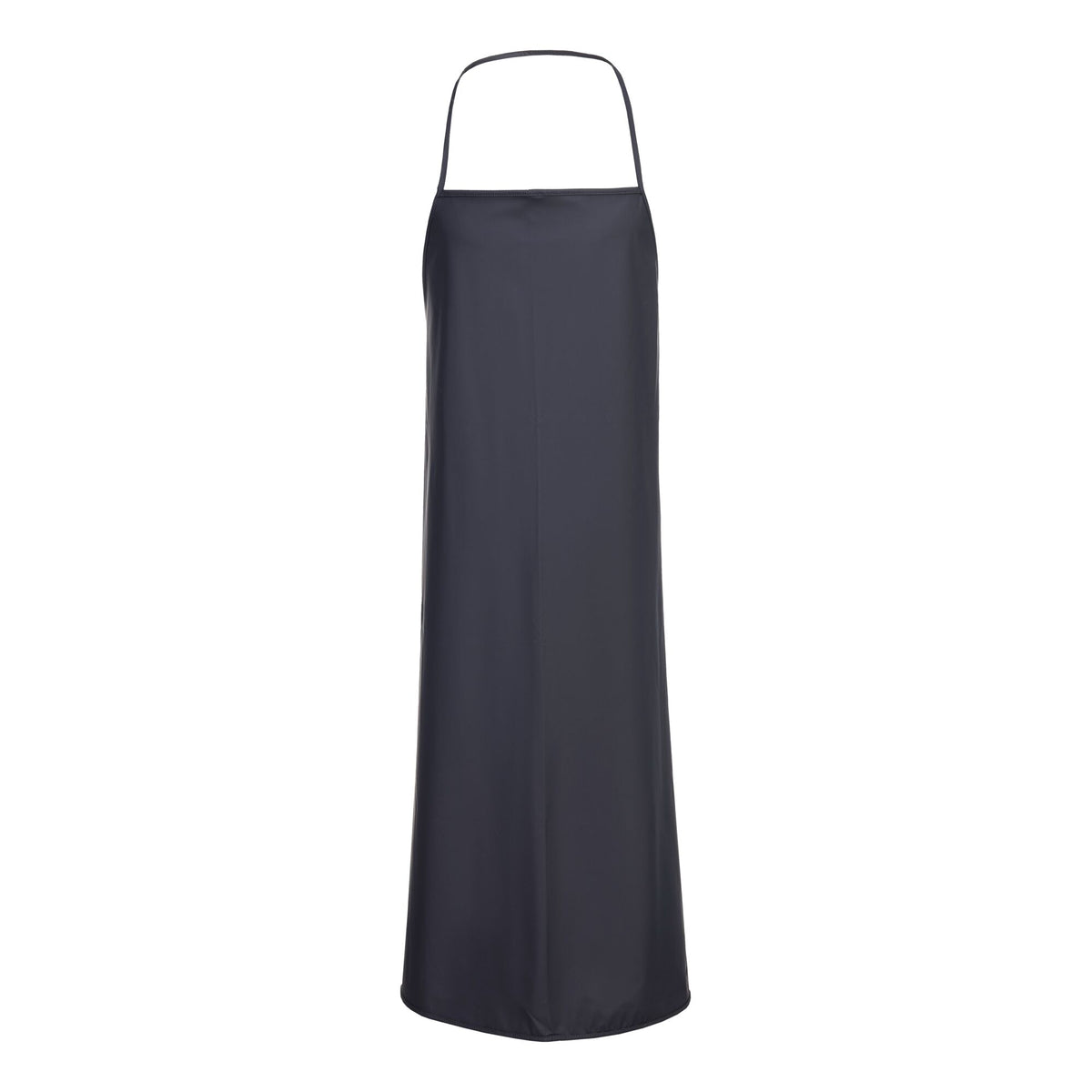
- Rainwear – waterproof and breathable according to EN 343.
- Thermal and freezer – against cold and cold stores, EN 342 and EN 14058.
- Anti-static and ESD – dissipates static charge, EN 1149.
- Multinorm – combines multiple types of protection in one garment.
- Disposable – splash protection against dust and chemicals, type 3 to 6.
- Chainsaw clothing – chainsaw protection according to EN ISO 11393.
Pay attention to the class, not just the standard
Almost every standard has classes or performance levels, and that's exactly where things go wrong in practice. A class 2 vest isn't enough for someone working alongside a motorway; that requires class 3. A rain jacket with EN 343 class 1 waterproofing won't hold up in a downpour if you're standing in it all day. So always check the number after the standard and the conditions the garment will be worn in — and remember that layers affect each other: a non-flame-retardant jacket over an FR coverall makes the protection worthless.
Maintenance determines the lifespan
Protective clothing is a consumable item with a shelf life. Wash according to the label, don't use fabric softener on flame-retardant and anti-static fabrics, and check the reflective material on high-visibility clothing: if it's dull or cracked, the garment no longer complies. Tears, holes and burn marks are always a reason for replacement, even if the garment otherwise still looks fine.
Buying protective clothing at Total Protex
Total Protex supplies the complete Portwest range: from individual garments to complete outfits for an entire team, with the accompanying declarations of conformity. Business customers can request an account and order on account, with volume discounts for larger quantities. Not sure which standard applies to your workplace? Contact us and we'll look at the RI&E together.