Chemical

21 products

Showing 1 - 21 of 21 products

Showing 1 - 21 of 21 products
View
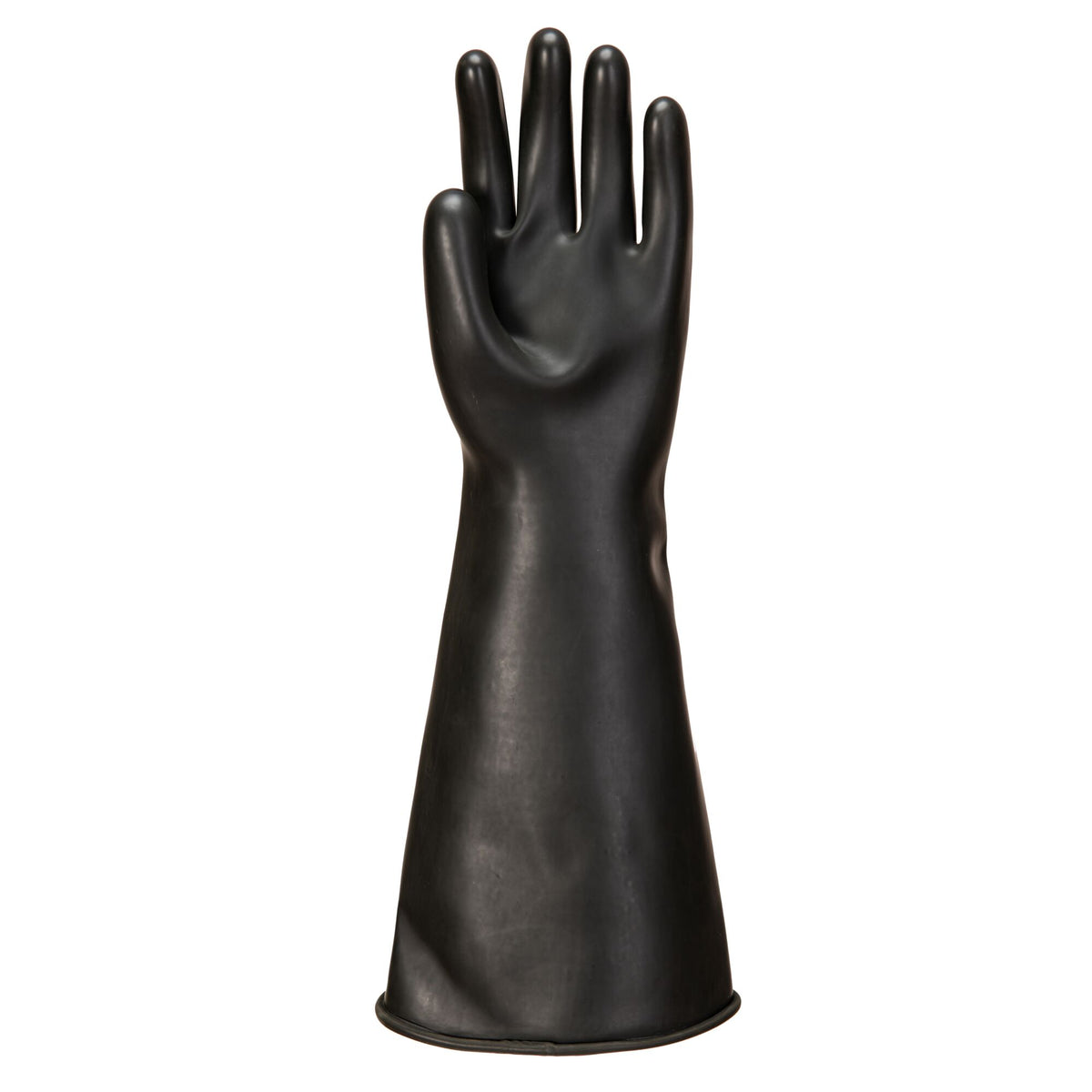
A882 - Chemiebestendige en ESD veilige PVC handschoen - Portwest - Zwart
Double Dipped PVC Gauntlet 45cm - Portwest A845Double Dipped PVC Gauntlet 45cm - Portwest A845
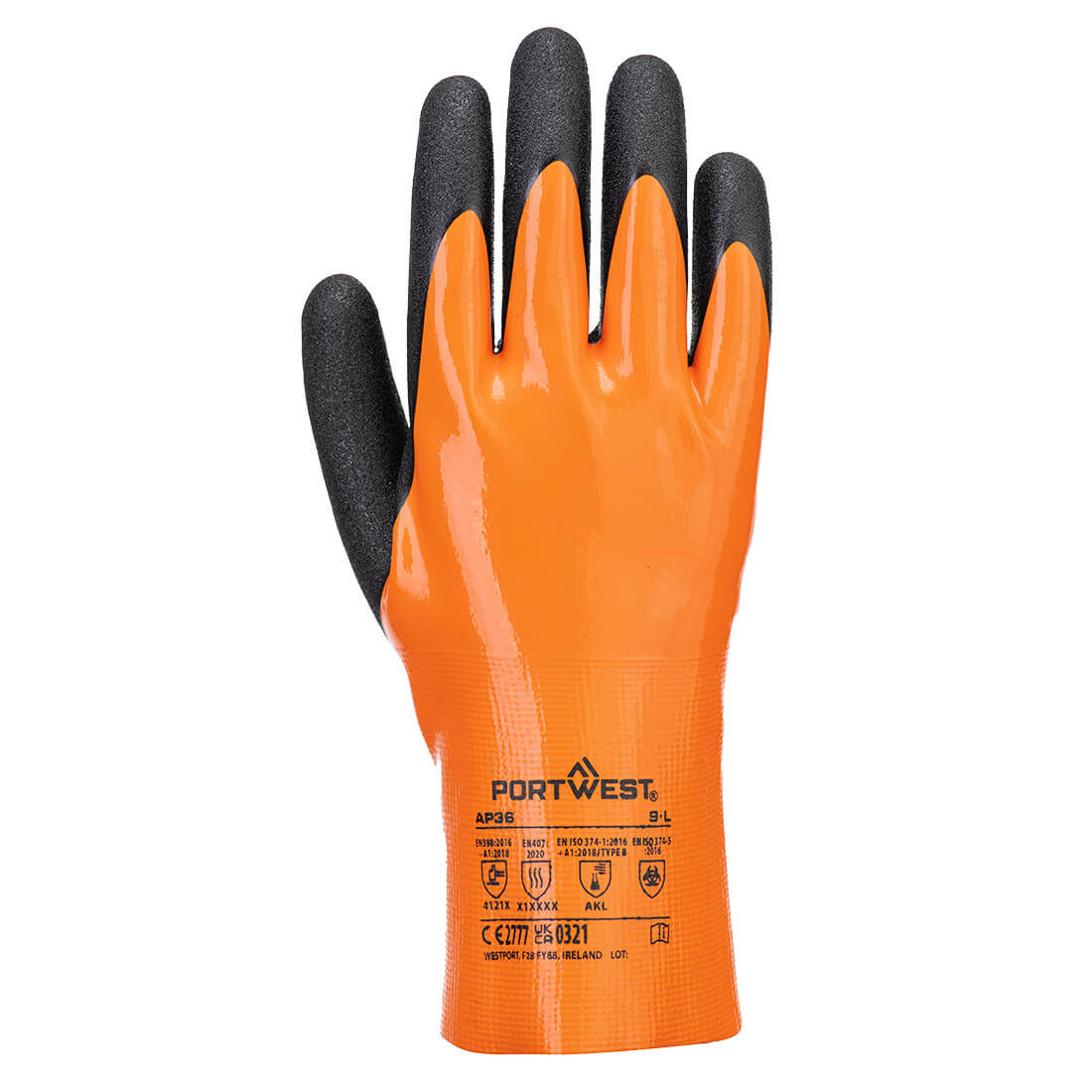
AP36 - Grip 15 Nitril Handschoen - Portwest - Oranje/Zwart
Portwest Grip 15 Nitrile Glove - Portwest AP36
+1
Sale price€5,78
Choose options
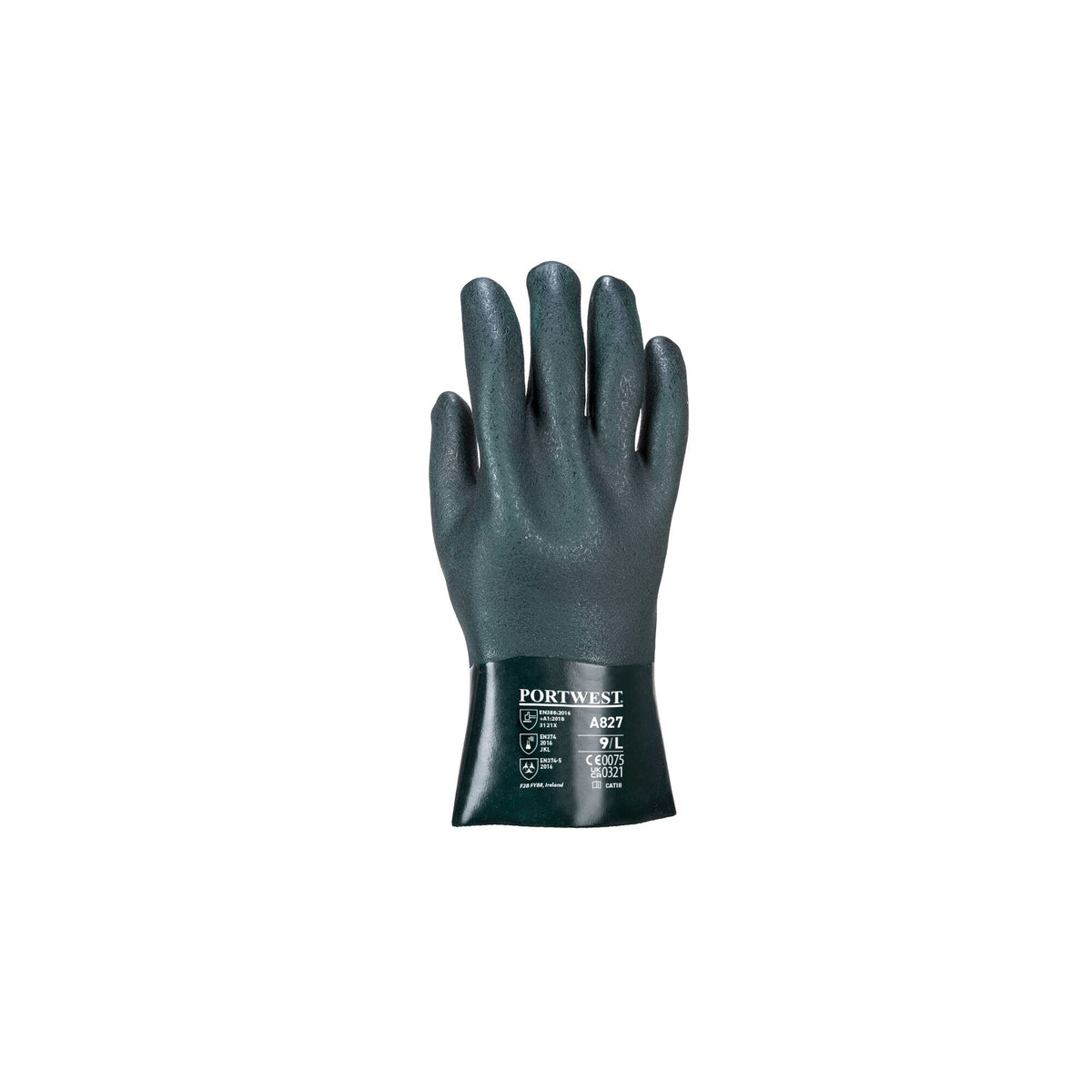
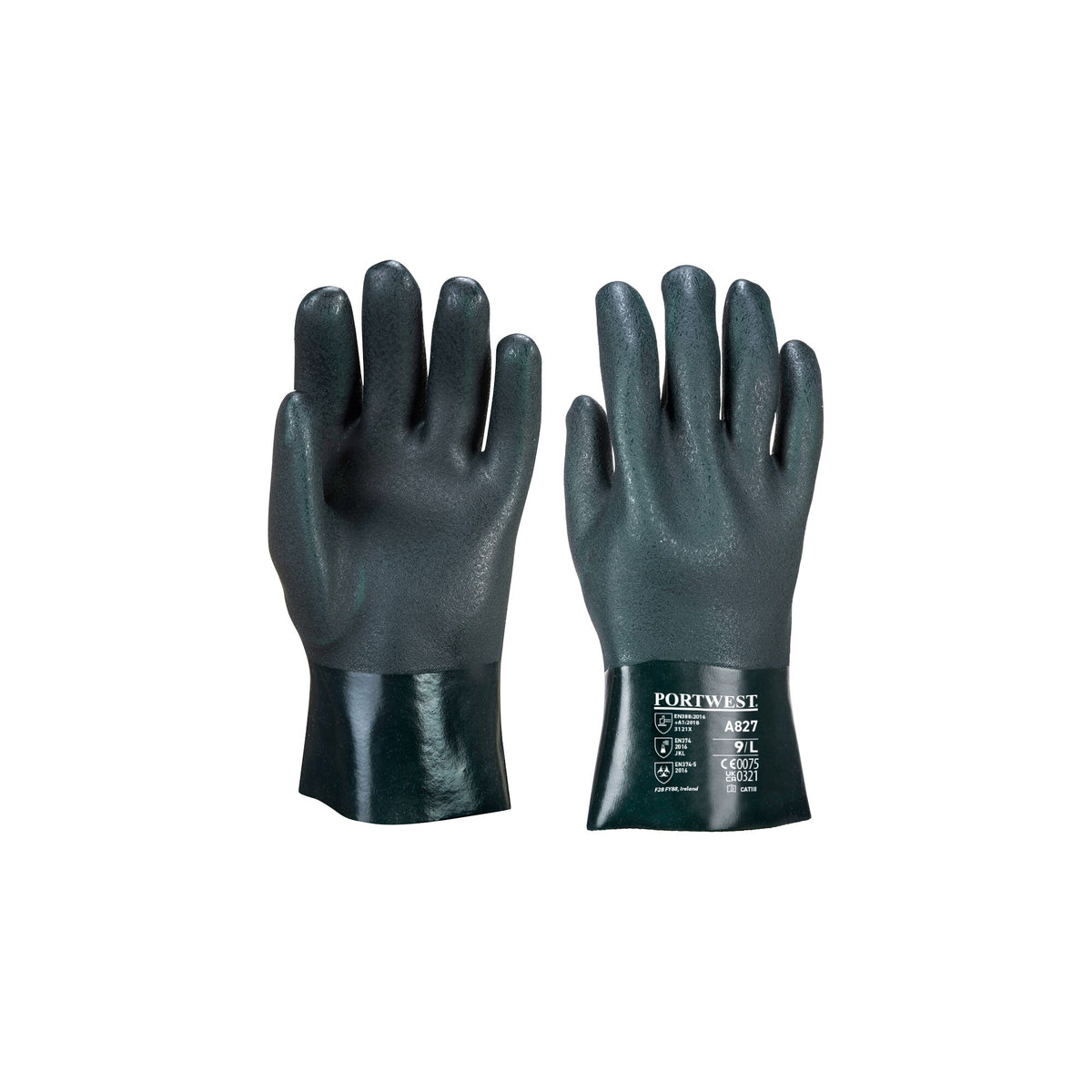
Double Dipped PVC Glove 27cm - Portwest A827Double Dipped PVC Glove 27cm - Portwest A827

Resistant isn't the same as impenetrable

Chemicals penetrate the material at a molecular level, without you noticing anything. That's why the standard works with breakthrough times: the time between first contact and the moment the substance reaches the inside. That time keeps running, even if you take the glove off and put it back on later.

Choose by substance, not by feel

Nitrile is strong against oils and many solvents, neoprene and butyl score better against acids and ketones, and PVC is economical for aqueous solutions. Look up your specific substance in the manufacturer's resistance list and check the type (A, B or C) on the glove. If you work with substances that also splash, combine with eye protection and splash-resistant coveralls.

Veelgestelde vragen

What do the letters in EN ISO 374 mean?

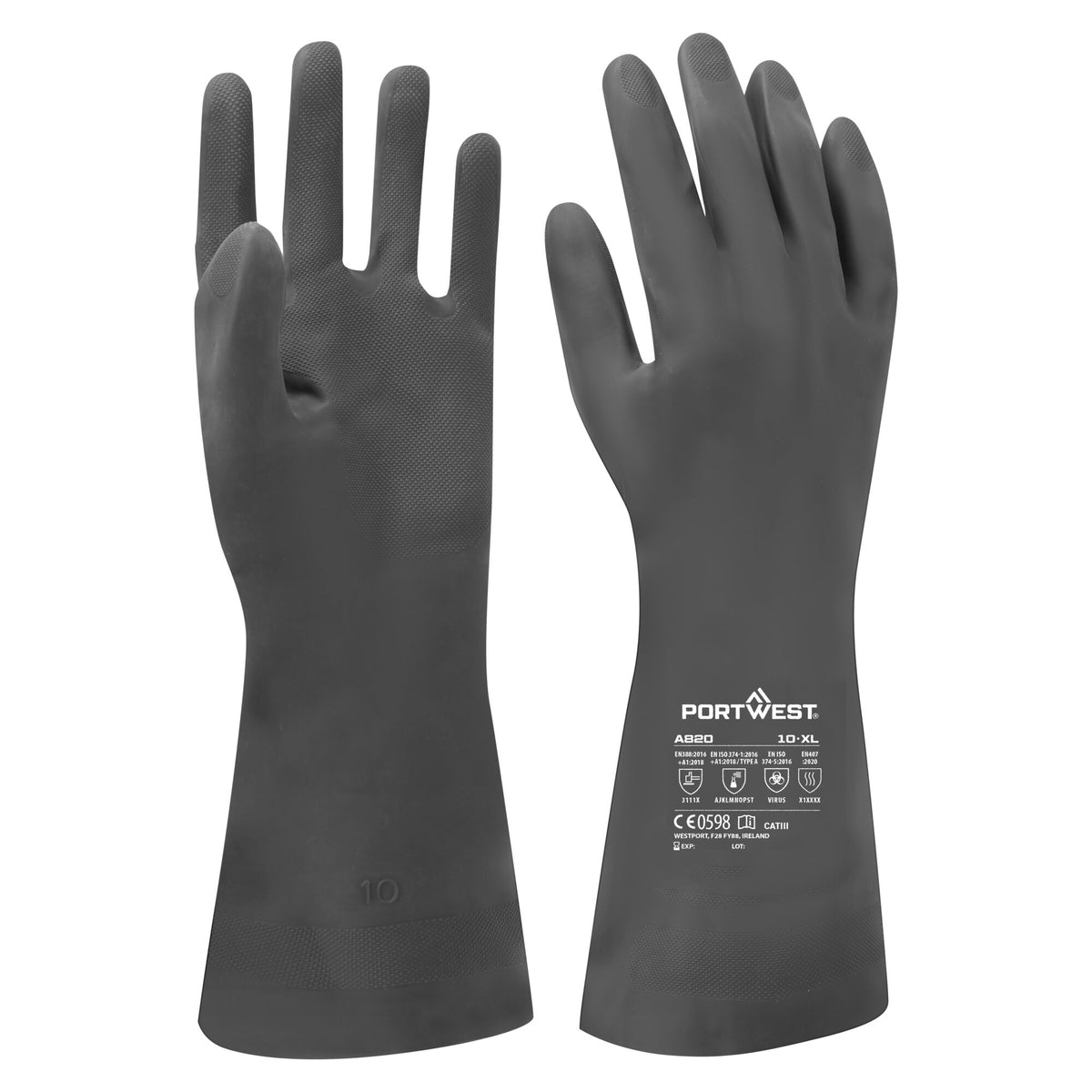
Each letter stands for a tested chemical from a fixed list, for example A for methanol and K for sodium hydroxide. The type above it, A, B or C, indicates against how many of those substances the glove holds up for at least 30 minutes: type A against six, type B against three and type C against one.

How do I know if a glove is resistant to my specific substance?

Check the manufacturer's chemical resistance list, not just the letters on the glove. It lists the breakthrough time per substance in classes, from less than 10 minutes to more than 480 minutes. That time runs from first contact, even if you take the glove off in between.

Staat jouw vraag er niet bij? Stel hem aan onze specialisten.

Recently viewed