Gloves

234 products

Showing 193 - 216 of 234 products

Showing 193 - 216 of 234 products
View
Wintershield Handschoen - Portwest A280 PortwestWintershield Handschoen - Portwest A280 Portwest
Portwest Wintershield Glove - Portwest A280
+1
Sale price€4,29
Choose options
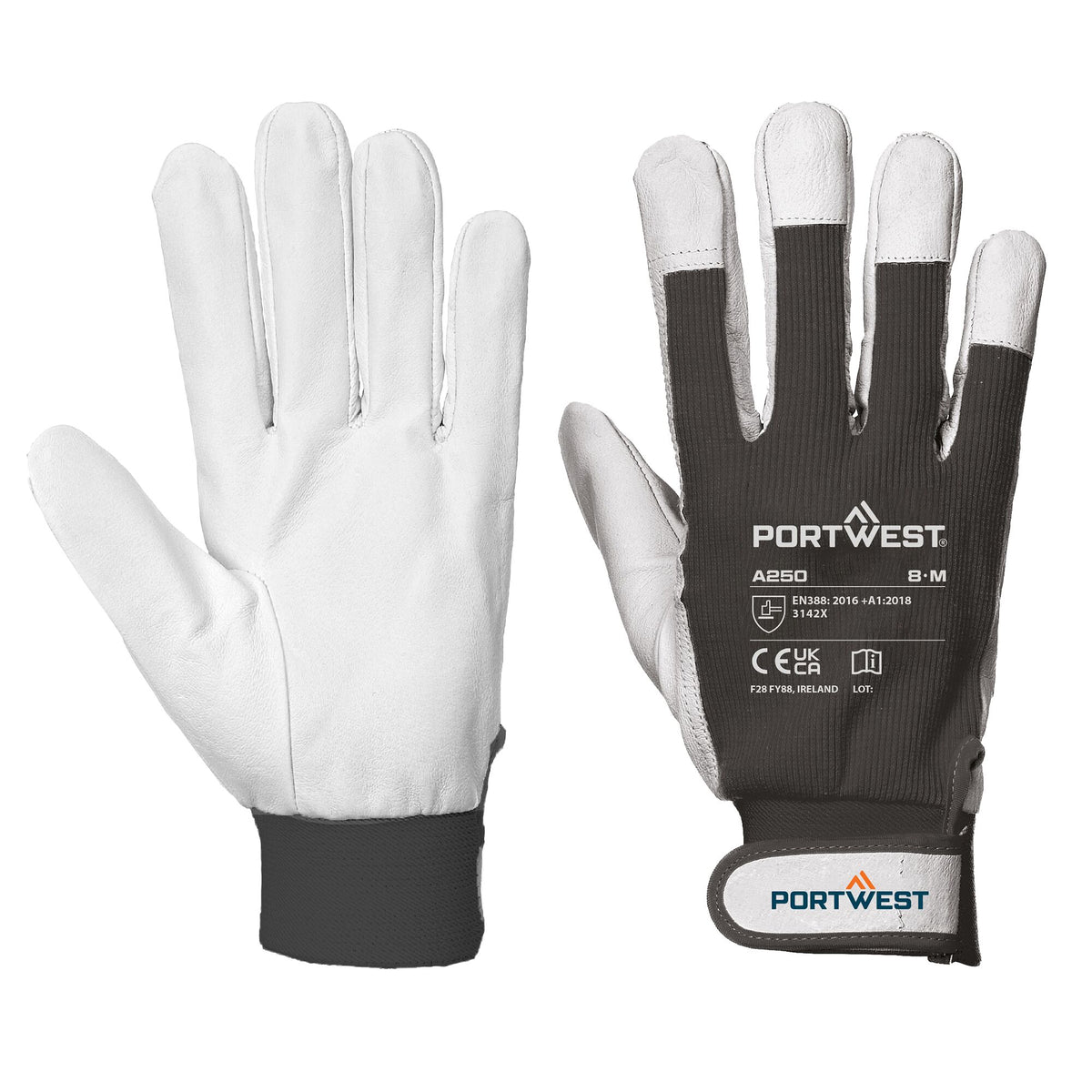
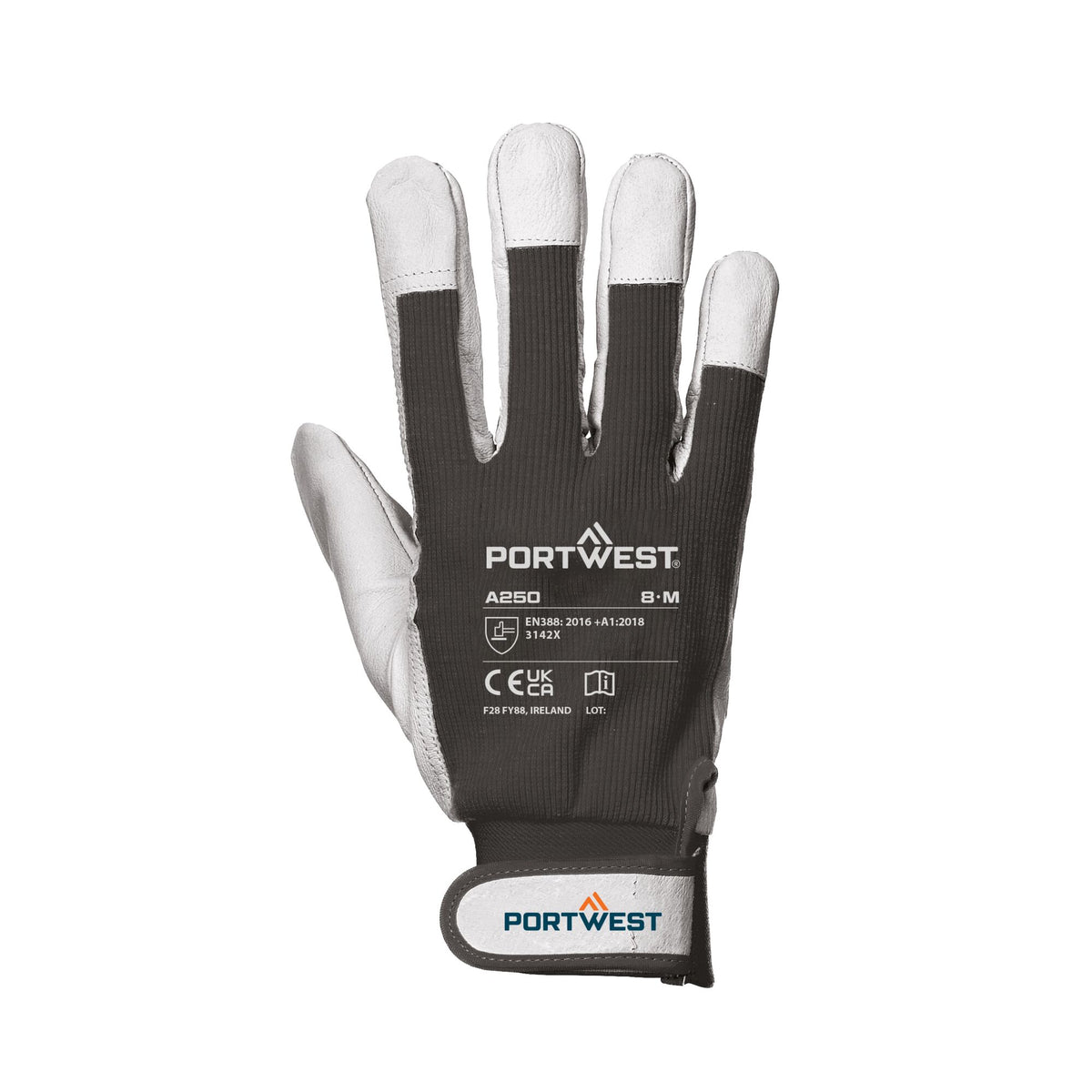
A250 - Tergsus Handschoen - PortwestA250 - Tergsus Handschoen - Portwest
Portwest Tergsus Glove - Portwest A250
+4
+3
+2
+1
Sale price€2,89
Choose options
A270 - Klassieke Driver Handschoen - Portwest - Beige
A271 - Gevoerde Leren Bestuurdershandschoen - Portwest - Beige
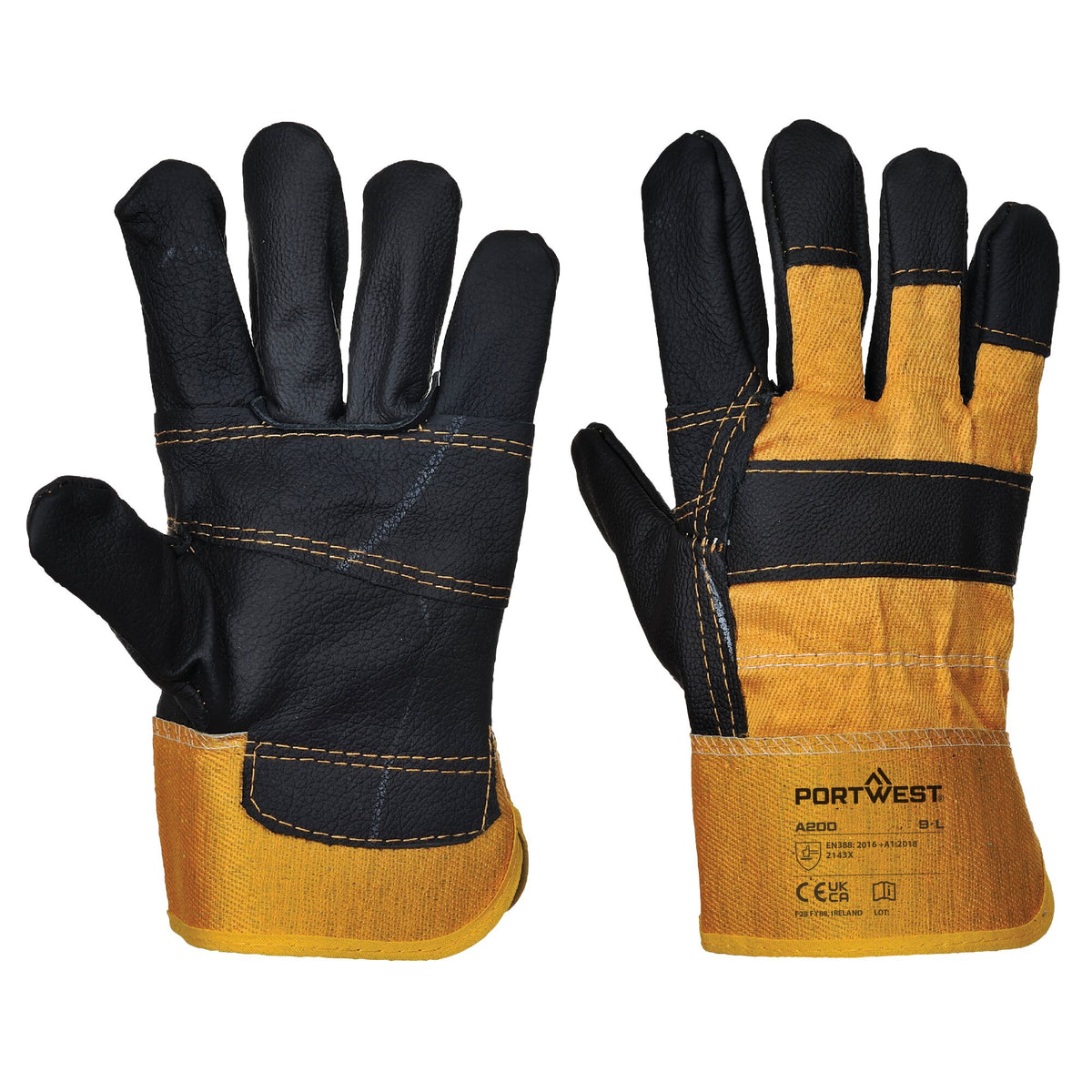
A200 - Meubel lederen Werkhandschoen - Portwest - GeelA200 - Meubel lederen Werkhandschoen - Portwest
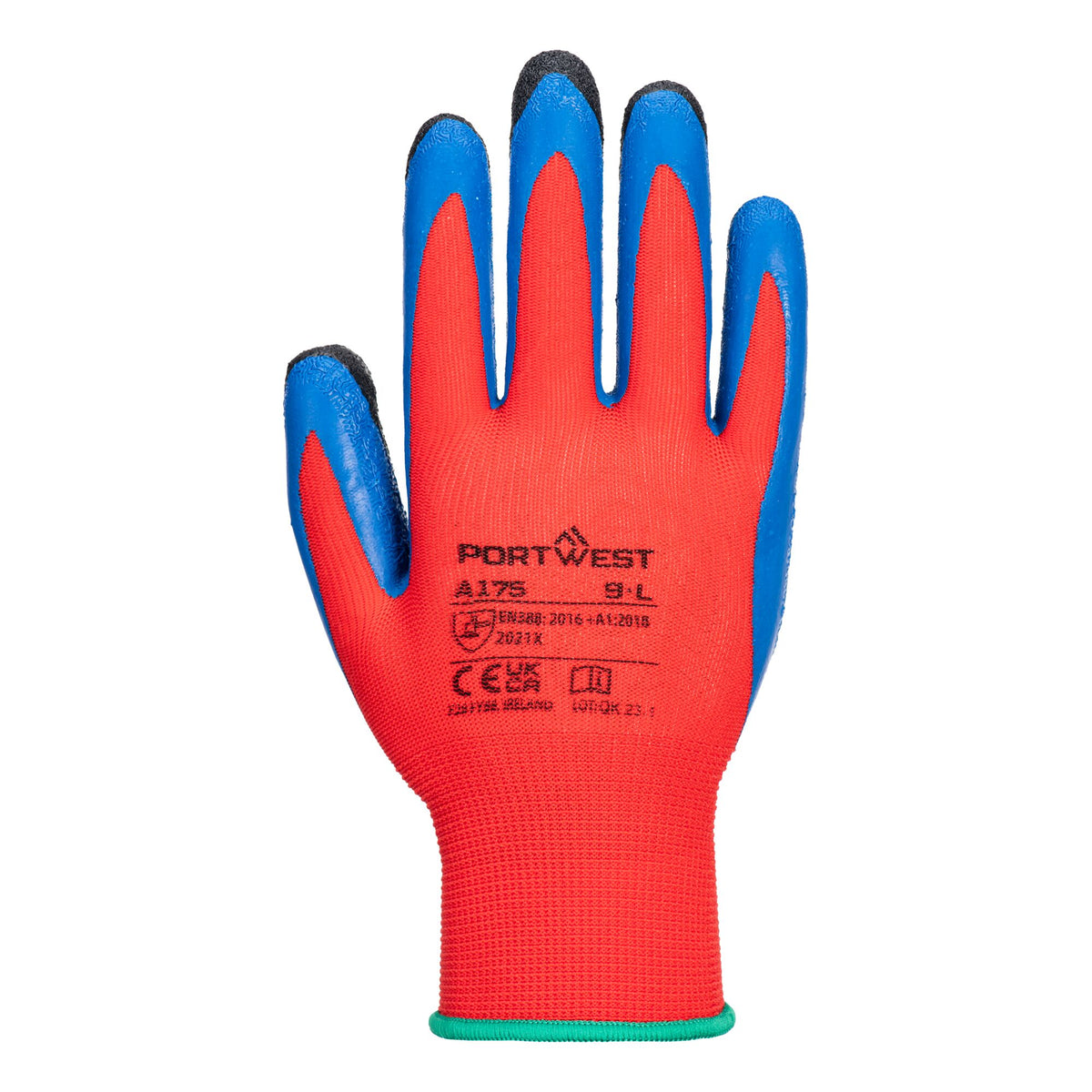
A175 - Duo-Flex Handschoen - Portwest - Rood/BlauwA175 - Duo-Flex Handschoen - Portwest
Portwest Duo-Flex Glove - Portwest A175
+1
Sale price€1,65
Choose options
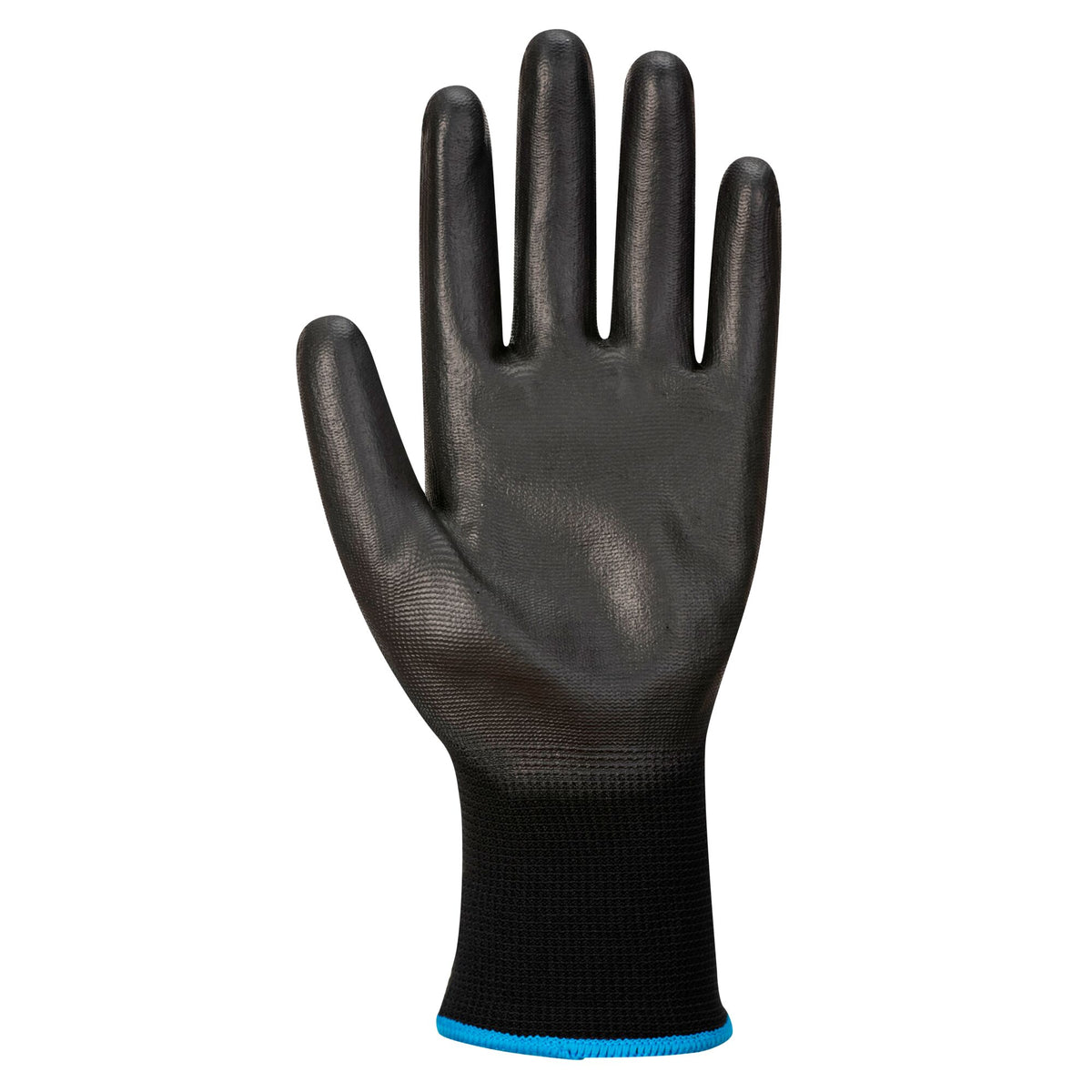
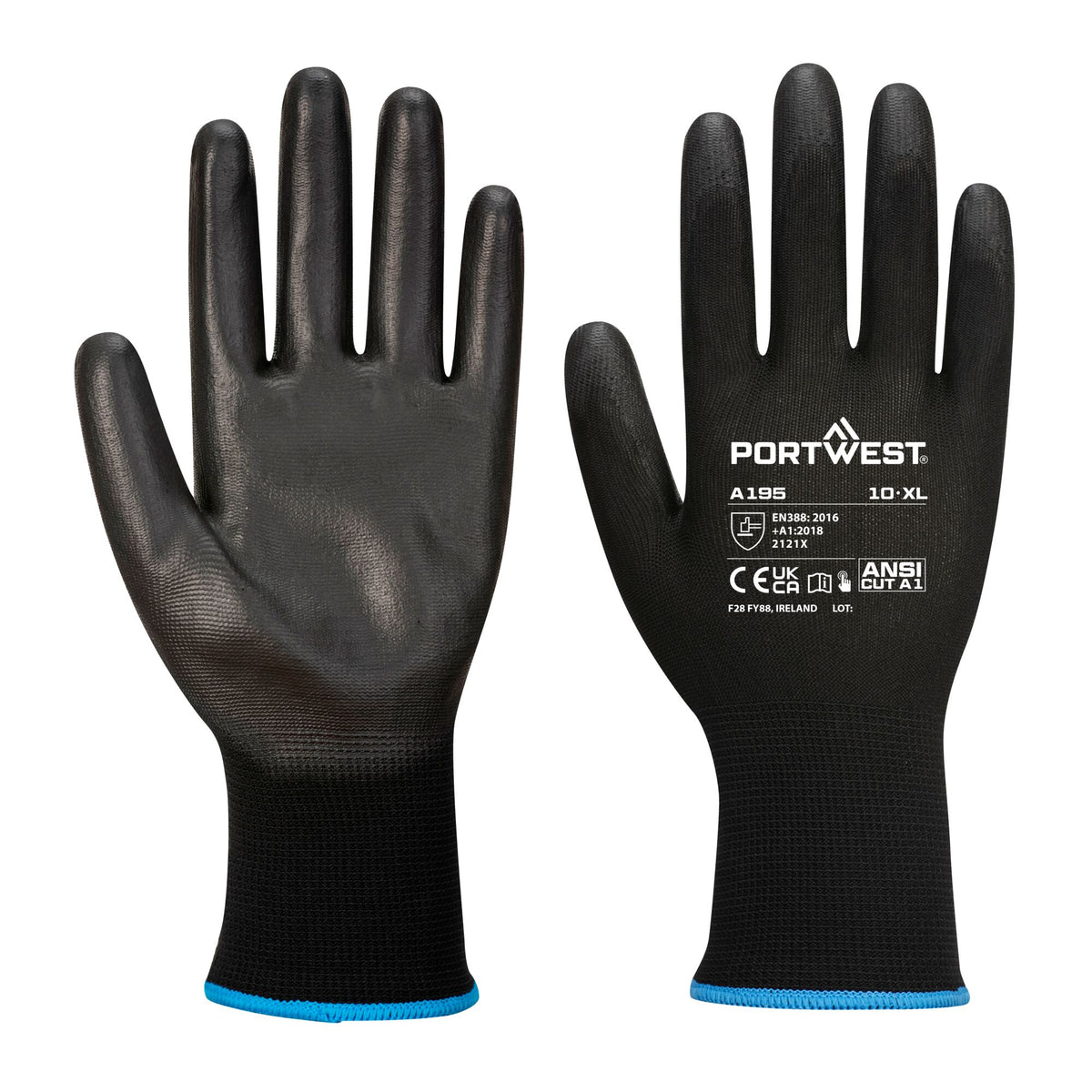
A195 - Touchscreen PU - PortwestA195 - Touchscreen PU - Portwest
Portwest Touchscreen PU - Portwest A195
+2
+1
Sale price€1,24
Choose options
A174 - Flex Grip Latex Handschoen - Portwest - Rood/ZwartA174 - Flex Grip Latex Handschoen - Portwest
A185 - Duo-Therm Handschoen - Portwest - Oranje/BlauwA185 - Duo-Therm Handschoen - Portwest - Geel/Blauw
Portwest Duo-Therm Glove - Portwest A185
+2
+1
Sale price€2,81
Choose options
A145 - Cold Grip Handschoen - Portwest - Oranje/BlauwA145 - Cold Grip Handschoen - Portwest - Geel/Blauw
Portwest Cold Grip Glove - Portwest A145
+2
+1
Sale price€3,30
Choose options
A150 - Klassieke Latex Griphandschoen - Portwest - GroenA150 - Klassieke Latex Griphandschoen - Portwest - Zwart
Portwest Classic Latex Grip Glove - Portwest A150
+3
+2
+1
Sale price€0,91
Choose options

Choose by risk

  • Cut-resistant – against sharp edges, glass and sheet metal. EN 388, cut level A to F.
  • Chemical-resistant – against acids, alkalis and solvents. EN ISO 374.
  • Thermal and freezer – against cold and contact cold. EN 511.
  • Welding – against heat, sparks and spatter. EN 12477 and EN 407.
  • Anti-impact – with back-of-hand protectors against impact and pinching.
  • ESD – for electronics and static-sensitive environments.
  • Grip – with a nitrile, latex or PU coating for grip, even with oil.
  • Disposable – nitrile and vinyl for short jobs and hygiene.
  • General work – for assembly, warehouse and construction work.

Decoding the standard codes

EN 388 is the best known: four numbers and two letters for abrasion, cutting, tearing, puncture, cutting according to the ISO method (A-F), and impact protection (P). The higher the number, the better — but a high cut level often comes at the cost of dexterity.

EN ISO 374 applies to chemicals and uses letters that refer to tested substances, plus a type (A, B or C) that indicates how many substances were tested and how long they were held back. A glove that protects against acetone doesn't necessarily protect against sulfuric acid: always check the breakthrough time for your specific substance.

EN 407 covers heat and fire, EN 511 covers cold, and EN 1149 covers static properties. See our overview per standard: EN 388 (2016), EN 374, EN 407, EN 511, EN 12477 and EN ISO 10819 for vibration.

Size and fit

Glove sizes range from 6 (XS) to 12 (XXXL) and are measured across the palm, just below the knuckles. A glove that's too big will slip and can catch in rotating tools; one that's too small tires the hand and tears more easily at the seams. If you work for long stretches with vibrating tools, look at anti-vibration gloves according to EN ISO 10819.

When to replace?

A glove only protects as long as it's intact. Holes, worn fingertips, a coating coming loose, or hardening caused by chemicals are all reasons to replace it. Chemical-resistant gloves also have a breakthrough time: this starts counting from first contact, even if you take the glove off in between.

Ordering work gloves from Total Protex

From a single pair to boxes for an entire team: all gloves are CE-certified and come with the accompanying documentation. Business customers order on account with volume pricing. Not sure which glove suits a specific substance or task? Ask us.

Veelgestelde vragen

What do the numbers after EN 388 mean?

The four numbers stand, in order, for abrasion resistance (0-4), cut resistance according to the coupe test (0-5), tear resistance (0-4), and puncture resistance (0-4). The letter after that (A to F) indicates the cut level according to the newer ISO 13997 test, with F being the highest. An optional P stands for impact protection.

Which cut level do I need?

For warehouse and assembly work, level B is often enough; for work with sheet metal, glass or knives, choose C or D; and for high cut risk such as slaughterhouses or metalworking, choose E or F. A higher level usually means a thicker glove, so don't choose heavier than necessary.

How long does a chemical-resistant glove protect for?

That depends on the substance and is stated as the breakthrough time on the datasheet, expressed in classes ranging from less than 10 minutes to more than 480 minutes. That time starts at first contact with the chemical and keeps running, even if you take the glove off in between.

Can I reuse disposable gloves?

No. Nitrile or vinyl disposable gloves are meant for single use: you can't see micro-tears, and the inside becomes contaminated when you take them off. For repeated use, choose a reusable chemical-resistant glove.

What glove size am I?

Measure the circumference of your hand around the knuckles, excluding the thumb. About 20 cm corresponds to size 8 (M), 23 cm to size 9 (L), and 25 cm to size 10 (XL). If in doubt, choose the size where your fingertips just reach the end of the glove without pressing.

Staat jouw vraag er niet bij? Stel hem aan onze specialisten.

Recently viewed