PPE

366 products

Showing 361 - 366 of 366 products

Showing 361 - 366 of 366 products
View
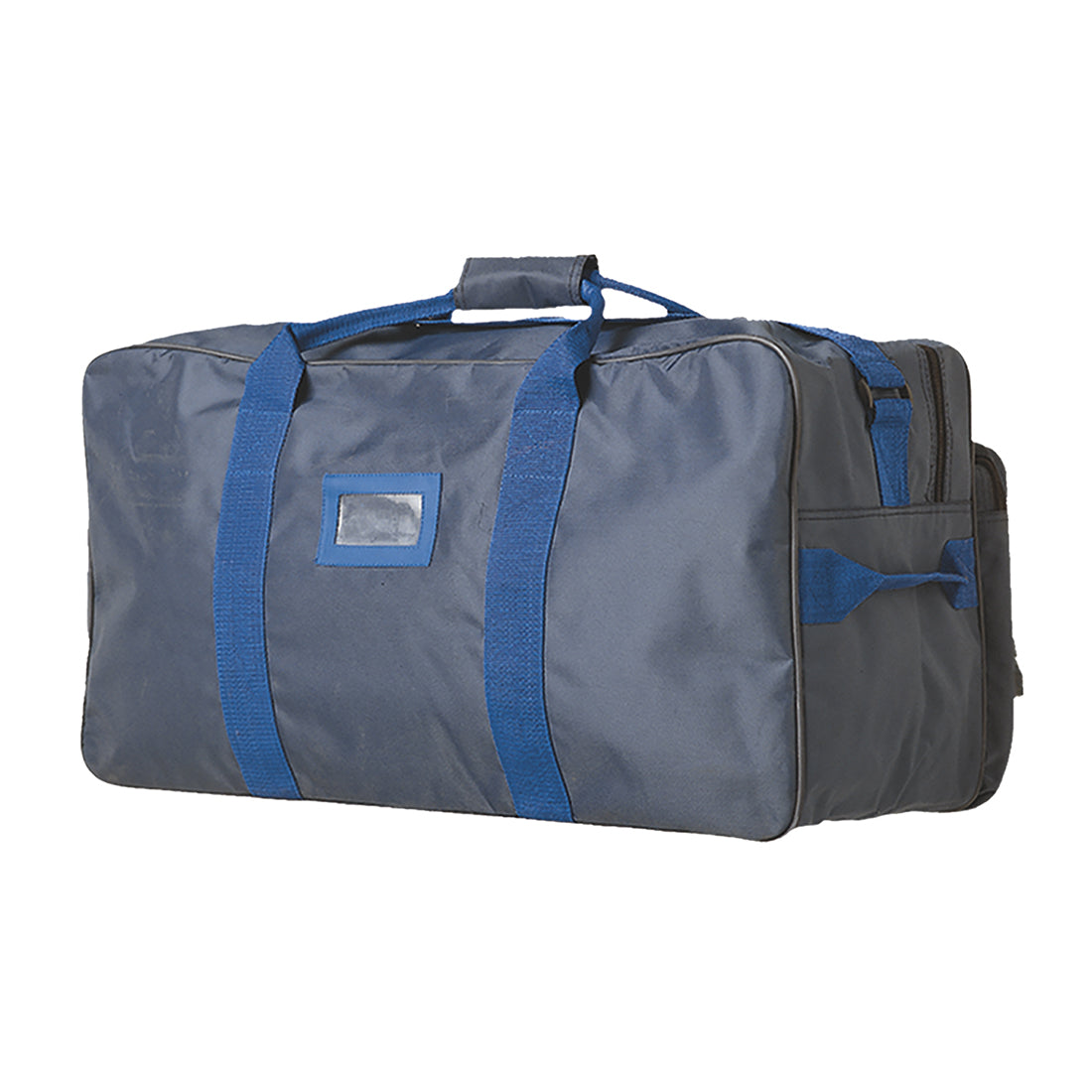
B900 - Sporttas - Portwest - MarineblauwSporttas - Portwest B900 Portwest
Portwest Sports bag - Portwest B900
+3
+2
+1
Sale price€23,51
Choose options
B030 - Vervanging Beanie Head Light - PortwestB030 - Vervanging Beanie Head Light - Portwest
B029 - Beanie USB Oplaadbare LED Hoofdlamp - PortwestB029 - Beanie USB Oplaadbare LED Hoofdlamp - Portwest
Portwest Beanie USB Rechargeable LED Headlight - Portwest B029
+5
+4
+3
+2
+1
Sale price€9,78
Choose options
50 Liter Chemische Kit - Portwest SM91 Portwest
KN10 - Veiligheidsmessen - Portwest
Portwest Safety Knives - Portwest KN10
+1
Sale price€4,04
FA10 - Werkplaats Eerst Hulp Kit 25 - PortwestFA10 - Werkplaats Eerst Hulp Kit 25 - Portwest

PPE by body part

  • Head protection – safety helmets (EN 397), industrial bump caps (EN 812) and helmets for working at height (EN 12492).
  • Hearing protection – earmuffs and earplugs according to EN 352, with an SNR value per model.
  • Eye protection – safety glasses, goggles and welding glasses according to EN 166.
  • Masks and respiratory protection – dust masks FFP1, FFP2 and FFP3 (EN 149) and reusable half-face masks with filters.
  • Knee protection – knee pads and inserts according to EN 14404.
  • Fall protection – harnesses, lanyards, shock absorbers and anchor points according to EN 361, EN 355 and EN 360.

The occupational hygiene strategy

PPE sits at the bottom of the hierarchy of controls, and that's deliberate. First you try to eliminate the source, then reduce exposure with collective measures such as shielding or extraction, and only when that's not enough does personal protective equipment come into play. That doesn't mean it's less important — just that PPE is never the solution to a problem you could have tackled at the source.

Watch how they combine

PPE items need to work together. Safety glasses that don't fit under earmuffs push the seal away and can cost you up to 10 dB of attenuation. A helmet with a poorly adjusted headband slides backwards and no longer protects your forehead. If you work with several items at once, preferably choose combinable versions: earmuffs that clip onto the helmet, a face shield that attaches to the same adapter.

Inspection and replacement

Most PPE has an expiry date, even if it's never been used. Helmets degrade due to UV exposure and are usually replaced after three to five years. Fall protection must be inspected annually by a competent person and is taken out of use immediately after a fall, even if nothing is visibly wrong. Respiratory protection filters have a shelf-life date on the packaging and a limited service life once opened.

Ordering PPE from Total Protex

You can order from us individually or in bulk, with CE certificates and instructions for use. For teams and projects, you can request a business account and order on account. Need help putting together a complete PPE package? Contact us.

Veelgestelde vragen

What does PPE stand for?

PPE stands for personal protective equipment: anything someone wears or holds to protect themselves against risks at work. Think of helmets, glasses, hearing protection, gloves, safety shoes, respiratory protection and fall protection.

How much attenuation do I need for hearing protection?

That depends on the noise level. From 80 dB(A), the employer must provide hearing protection; from 85 dB(A), wearing it is mandatory. Choose an SNR value that brings the noise down to around 70-75 dB(A): too much attenuation is also undesirable, since you'll then no longer hear warning signals or colleagues.

When does a safety helmet need to be replaced?

Immediately after any hard impact, even if no crack is visible. Without an incident, the manufacturer's stated service life applies, usually three to five years from first use; the manufacturing date is stamped inside the helmet shell. Discolouration, a chalky surface or hairline cracks are always a reason for replacement.

What's the difference between FFP1, FFP2 and FFP3?

It comes down to filter efficiency. FFP1 blocks about 80% of particles and is meant for coarse, non-toxic dust. FFP2 blocks about 94%, for example for wood and metal dust. FFP3 blocks about 99% and is needed for hazardous substances such as silica dust and work suspected of involving asbestos.

Does fall protection need to be inspected annually?

Yes. Harnesses, lanyards and fall arrest devices must be inspected at least once a year by a competent person, with a written record. In addition, the user checks the equipment for damage before every use. After a fall, the equipment is always taken out of service.

Staat jouw vraag er niet bij? Stel hem aan onze specialisten.

Recently viewed