Safety shoes

344 products

Showing 1 - 24 of 344 products

Showing 1 - 24 of 344 products
View
Save 20%
Werkschoen Portwest Compositelite sneaker met BOA sluiting - Portwest FT08 PortwestWerkschoen Portwest Compositelite sneaker met BOA sluiting - Portwest FT08 Portwest
Portwest Portwest Compositelite safety sneaker with BOA closure - Portwest FT08
+3
+2
+1
Sale priceFrom €46,06 Regular price€57,58
Choose options
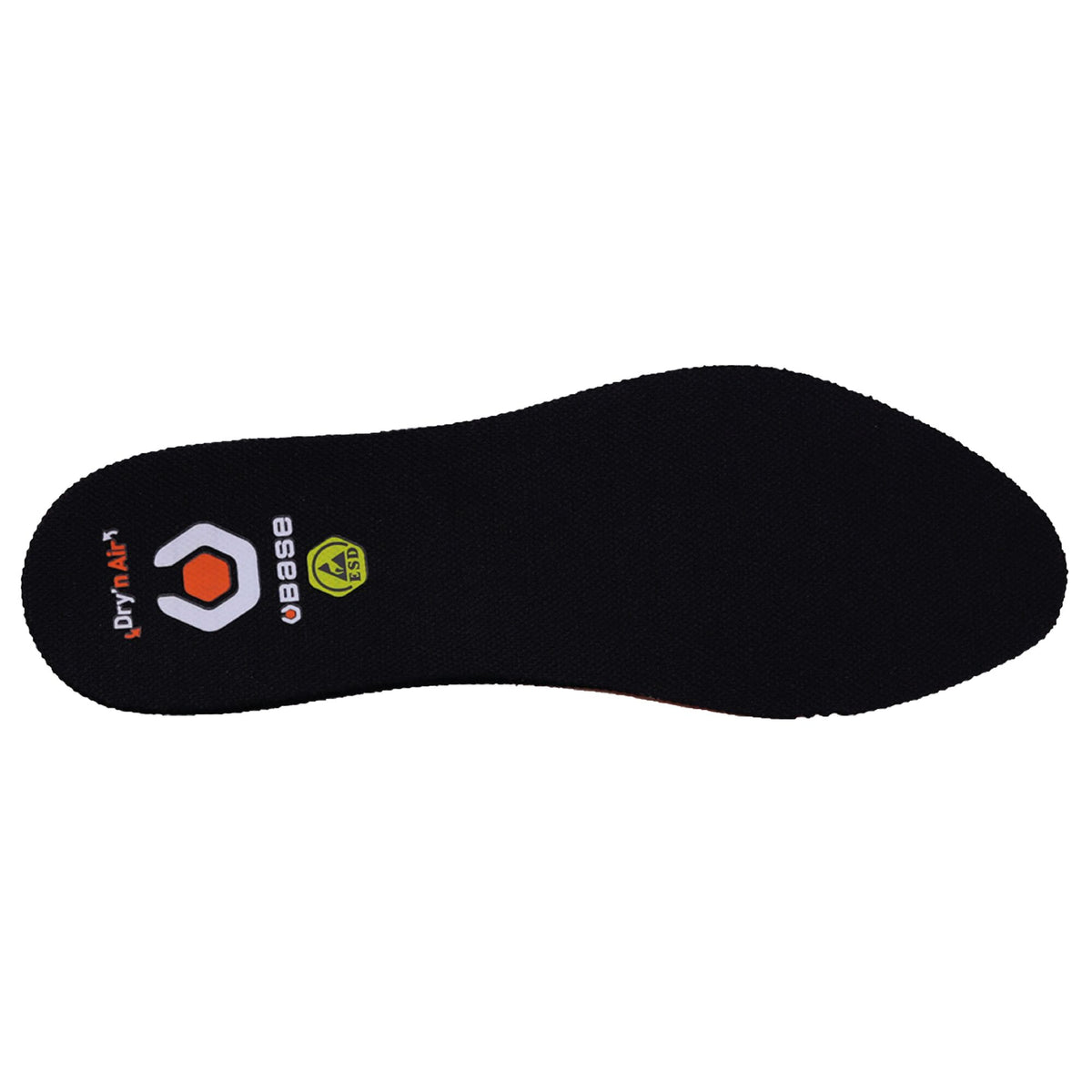
Omnia ESD - Portwest B6306 Portwest
Portwest Omnia ESD - Portwest B6306
+1
Sale price€17,56
Choose options
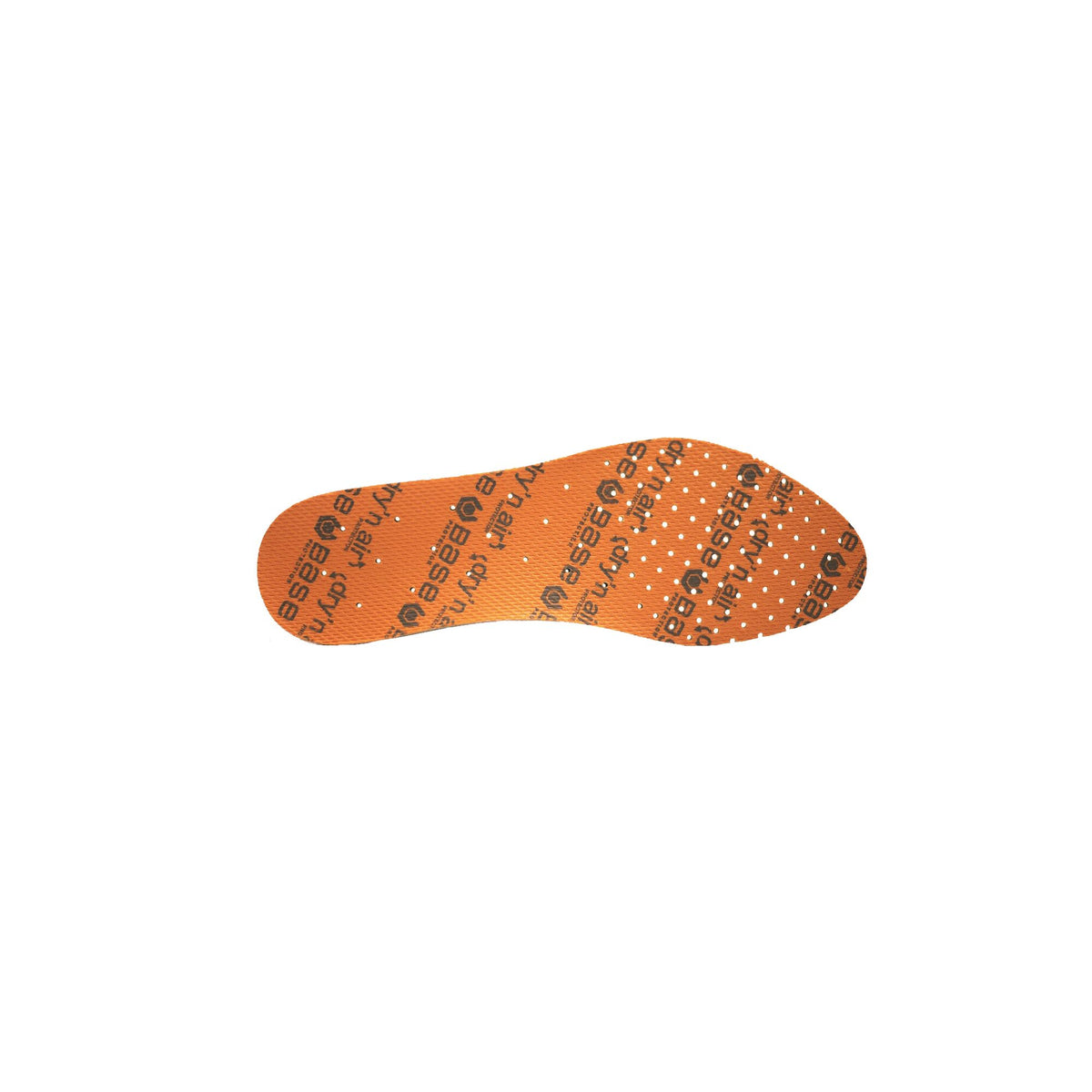
Omnia - Portwest B6307 Portwest
Portwest Omnia - Portwest B6307
+1
Sale price€16,32
Choose options
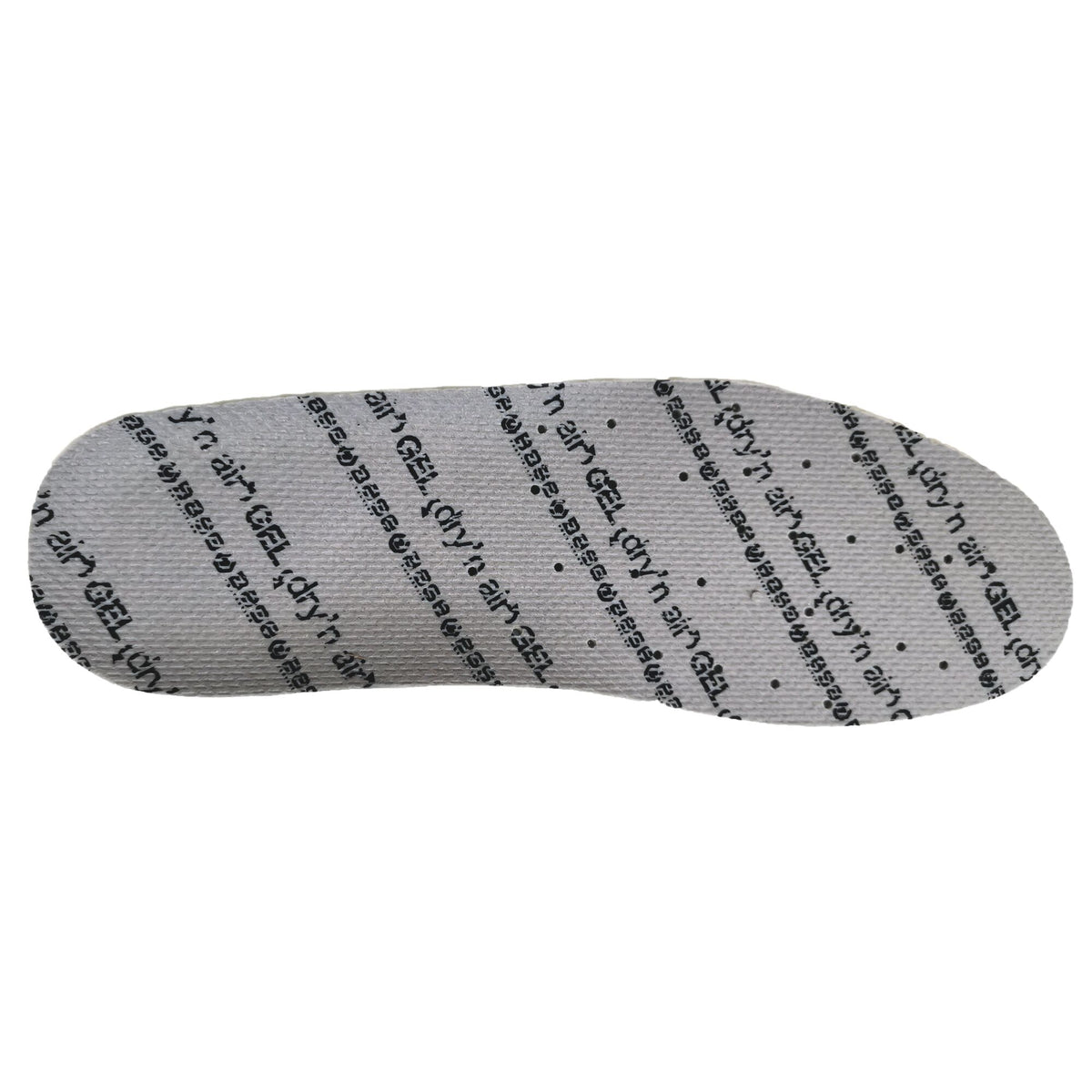
Gel Man - Portwest B6304 Portwest
Portwest Gel Man - Portwest B6304
+1
Sale price€22,59
Choose options
Record ESD - Portwest B6305 Portwest
Portwest ESD Record - Portwest B6305
+1
Sale price€26,43
Choose options
Laces 120CM - Portwest BL120 PortwestLaces 120CM - Portwest BL120 Portwest
Portwest Laces 120CM - Portwest BL120
+2
+1
Sale price€1,32
Choose options
Laces 100CM - Portwest BL100 PortwestLaces 100CM - Portwest BL100 Portwest
Portwest Laces 100CM - Portwest BL100
+2
+1
Sale price€1,32
Choose options
Gel Woman - Portwest B6303 Portwest
Portwest Gel Woman - Portwest B6303
+1
Sale price€22,59
Choose options
Super Comfort - Portwest B6201 Portwest
Portwest Super Comfort - Portwest B6201
+1
Sale price€14,34
Choose options
Record (Textile) - Portwest B6300 Portwest
Portwest Record (Textile) - Portwest B6300
+1
Sale price€22,59
Choose options
FC49 - Werkschoen Composite Foundry High Boot SB - Portwest - ZwartWerkschoen Composite Foundry High Boot SB - Portwest FC49 Portwest

The safety classes at a glance

Every safety shoe falls under EN ISO 20345 and always has a toe cap that withstands 200 joules. The letter after it says what else is included:

  • SB – just the basic requirement: protective toe cap.
  • SBP – basic requirement plus penetration-resistant sole.
  • S1 – anti-static, closed heel area and energy-absorbing heel. For dry indoor work.
  • S1P – S1 plus penetration-resistant sole. The industry standard.
  • S2 – S1 plus water-repellent upper.
  • S3 – S2 plus penetration-resistant and profiled sole. The most commonly chosen class.
  • S4 and S5 – fully waterproof boots made of rubber or PVC, S5 also with a penetration-resistant sole.

Since the standard was revised in 2022, you'll also see S3S and S3L: the same protection, but with a non-metallic penetration-resistant insert that's lighter and doesn't conduct cold.

Choose by style

Steel, composite or textile

The steel toe cap is the classic: cheap and indestructible, but heavy and cold. Composite is lighter, metal-free and insulates better — handy at security scanners, electrical work and in the cold. The same applies to the penetration-resistant sole: steel protects across the full width, textile is more flexible and lighter but is tested with a thinner nail.

Fit, socks and insoles

Measure your foot at the end of the day and leave a centimetre of space for your toes. Always try shoes on with the work socks you'll actually wear on the job, and walk around for a few minutes. Pressure points are rarely solved by breaking the shoes in; a different last or a suitable insole works better. Note: a third-party support insole is only allowed if the manufacturer permits it, since the shoe is certified including its original sole.

Ordering safety shoes from Total Protex

All shoes are supplied with a declaration of conformity and are available from stock. Ordering for an entire team? Request a business account to order on account with volume pricing.

Veelgestelde vragen

Which safety class do I need?

If you work in dry indoor conditions, S1 or S1P is enough. If you work outdoors, on a construction site or in wet conditions, S3 is the logical choice. If you're standing in water or mud, you'll want S4 or S5 boots. The penetration-resistant sole (the P) is needed as soon as nails, screws or shards could be lying on the floor.

Steel toe cap or composite toe cap?

Both absorb 200 joules, so the protection is the same. Composite is lighter, doesn't conduct cold or heat, and is metal-free, which is handy at security scanners. Steel is cheaper and better able to withstand repeated heavy impacts.

Are safety shoes mandatory?

Not everywhere, but they are as soon as the workplace's risk inventory shows there's a risk of falling objects, stepping on sharp objects, or slipping. The employer must then provide the shoes free of charge, and the employee is required to wear them.

How long does a pair of safety shoes last?

With daily use, six to twelve months. Replace them sooner if the tread is worn smooth, the sole is coming loose, the toe cap is visibly damaged, or the shoe has absorbed a heavy impact — the protection can then no longer be guaranteed.

Can I exchange safety shoes if they don't fit?

Yes, unworn shoes in their original box can be exchanged or returned according to our returns policy. So try them on indoors, on a clean floor. If you're ordering for an entire team, you can also request sample sizes before placing the large order.

Staat jouw vraag er niet bij? Stel hem aan onze specialisten.

Recently viewed