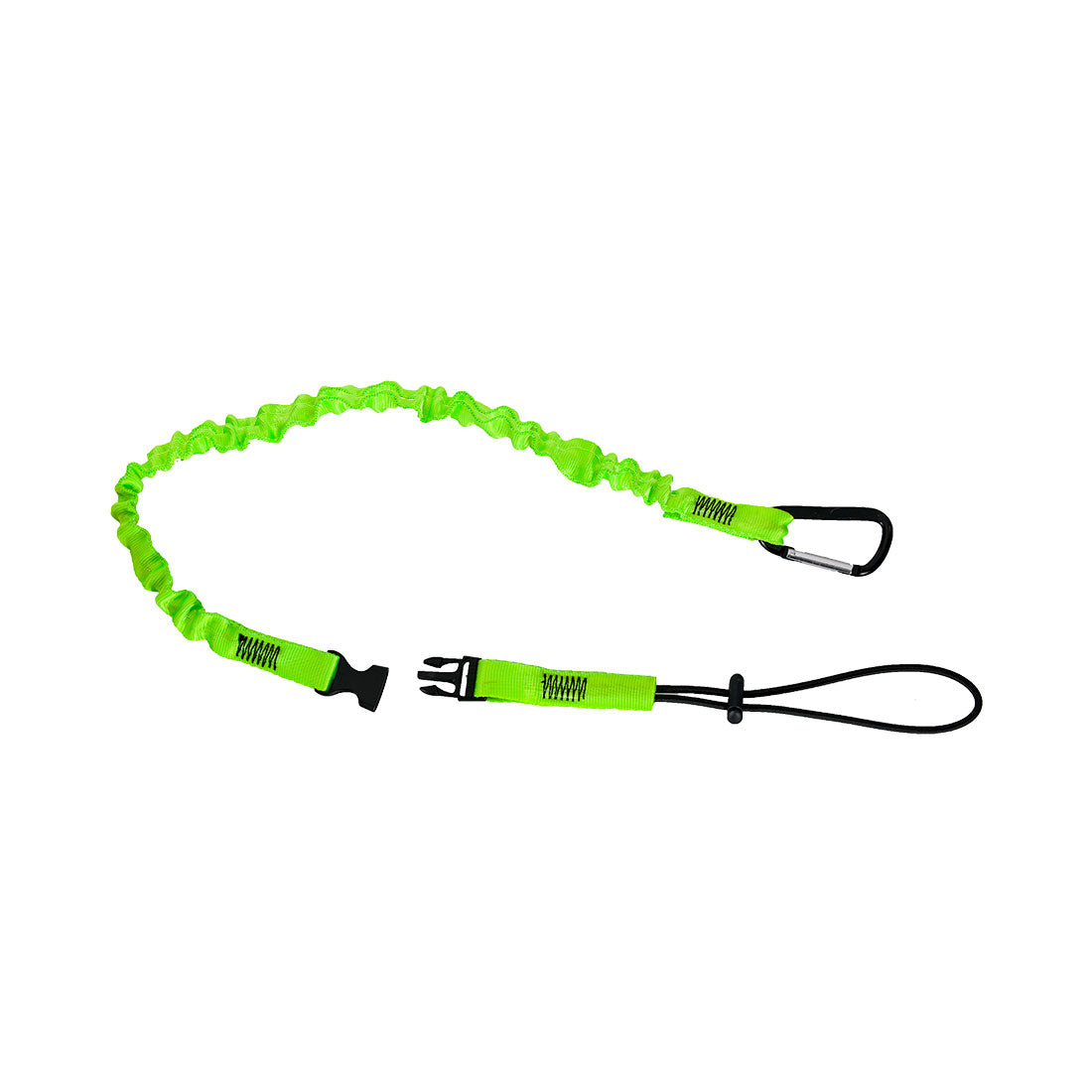
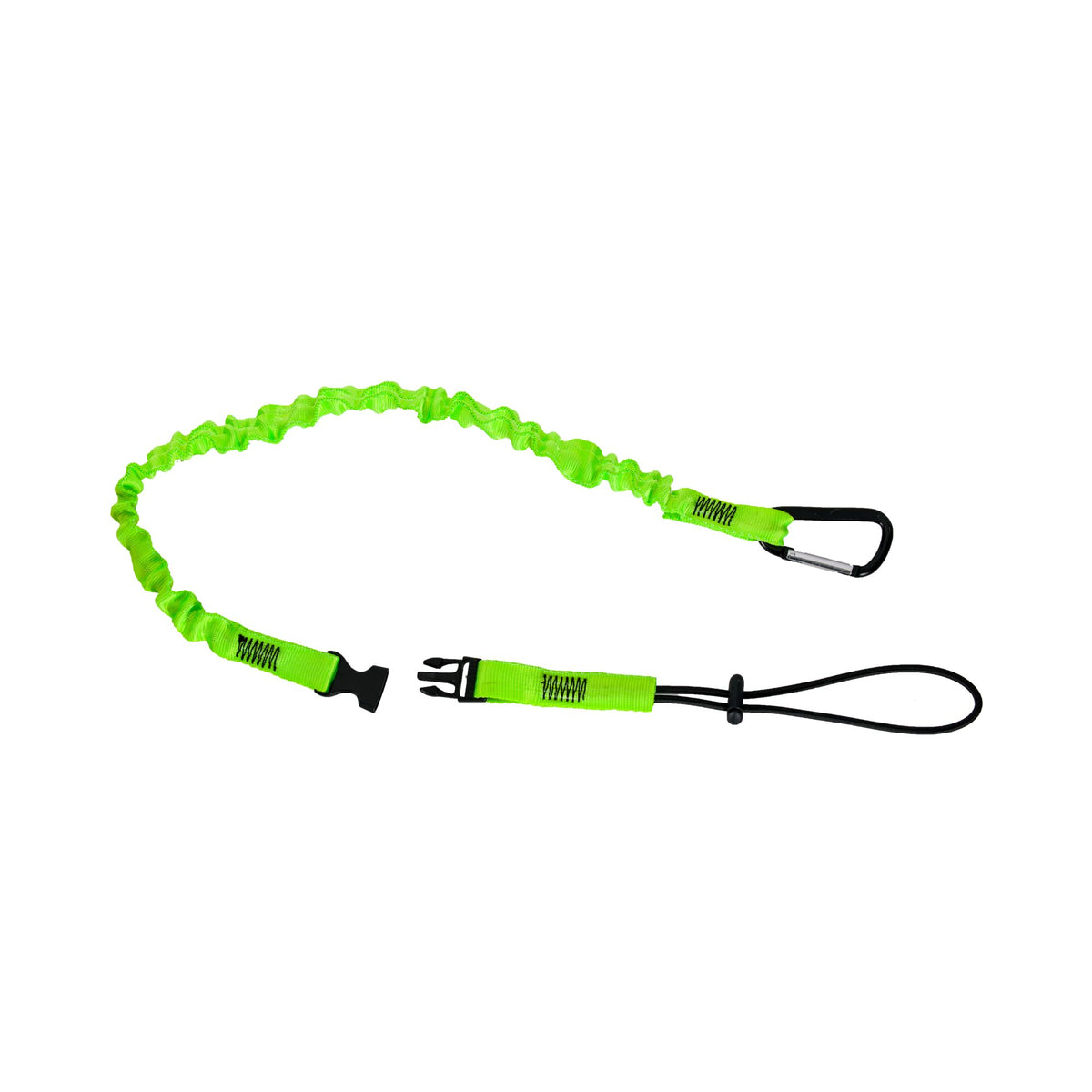
The three links of a fall protection system
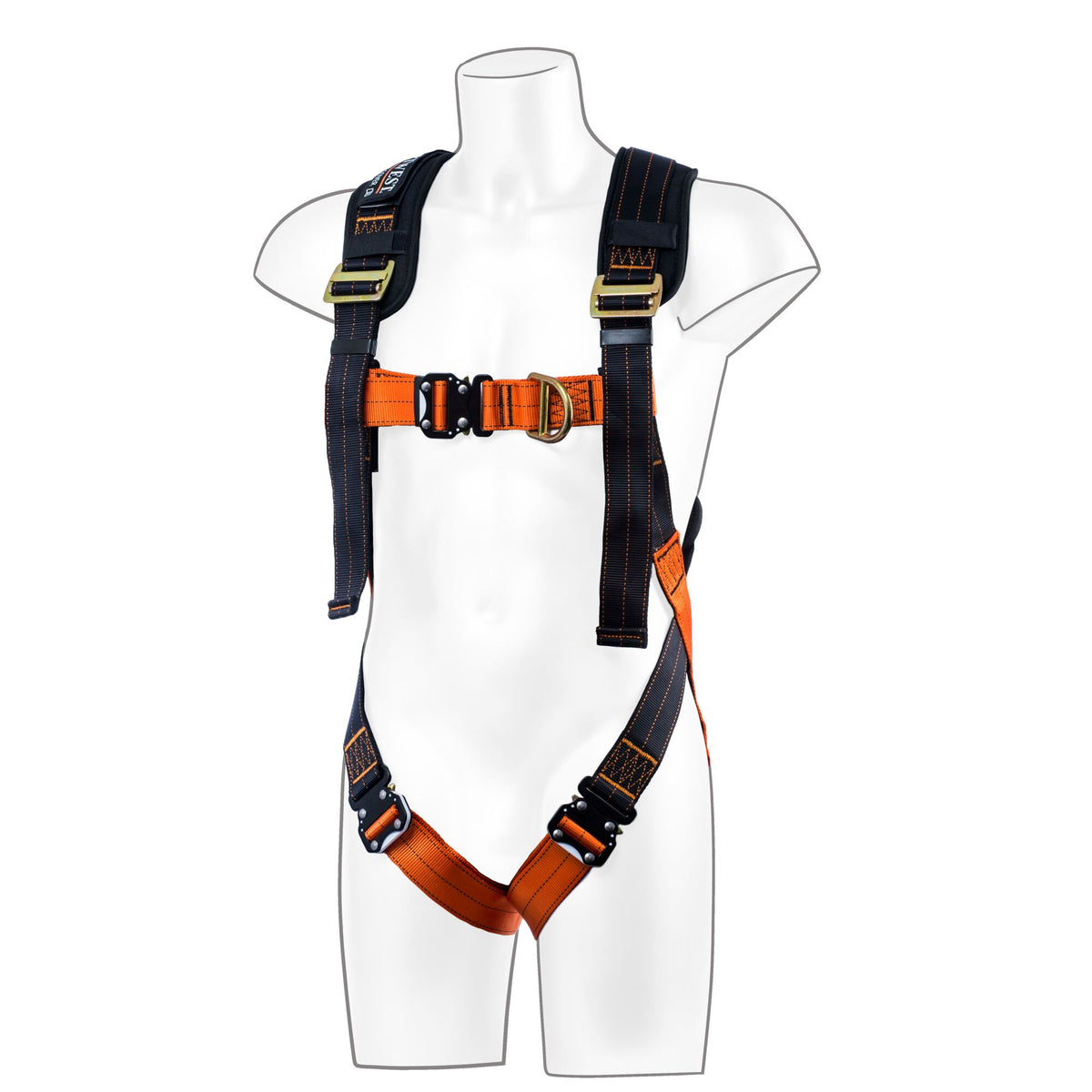
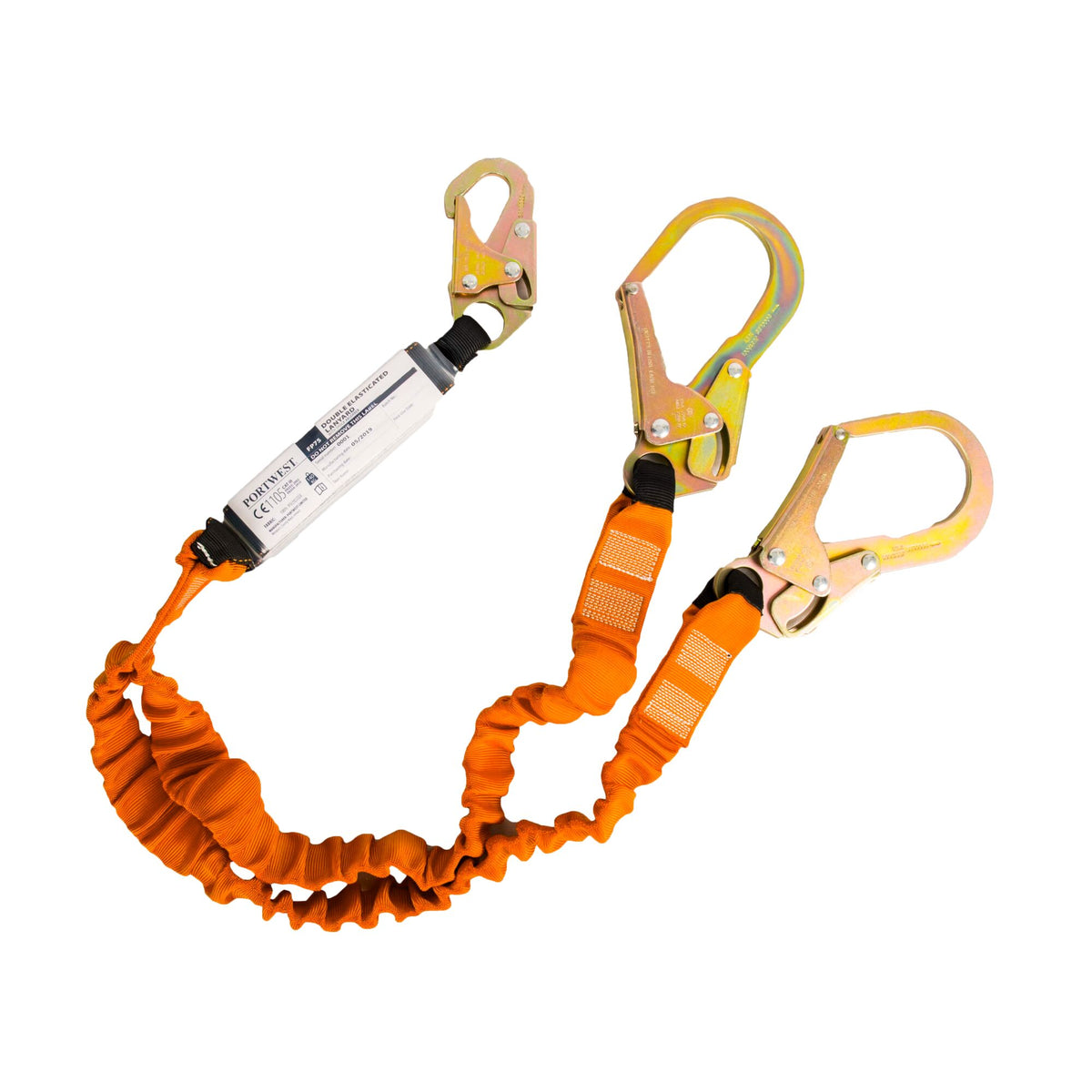
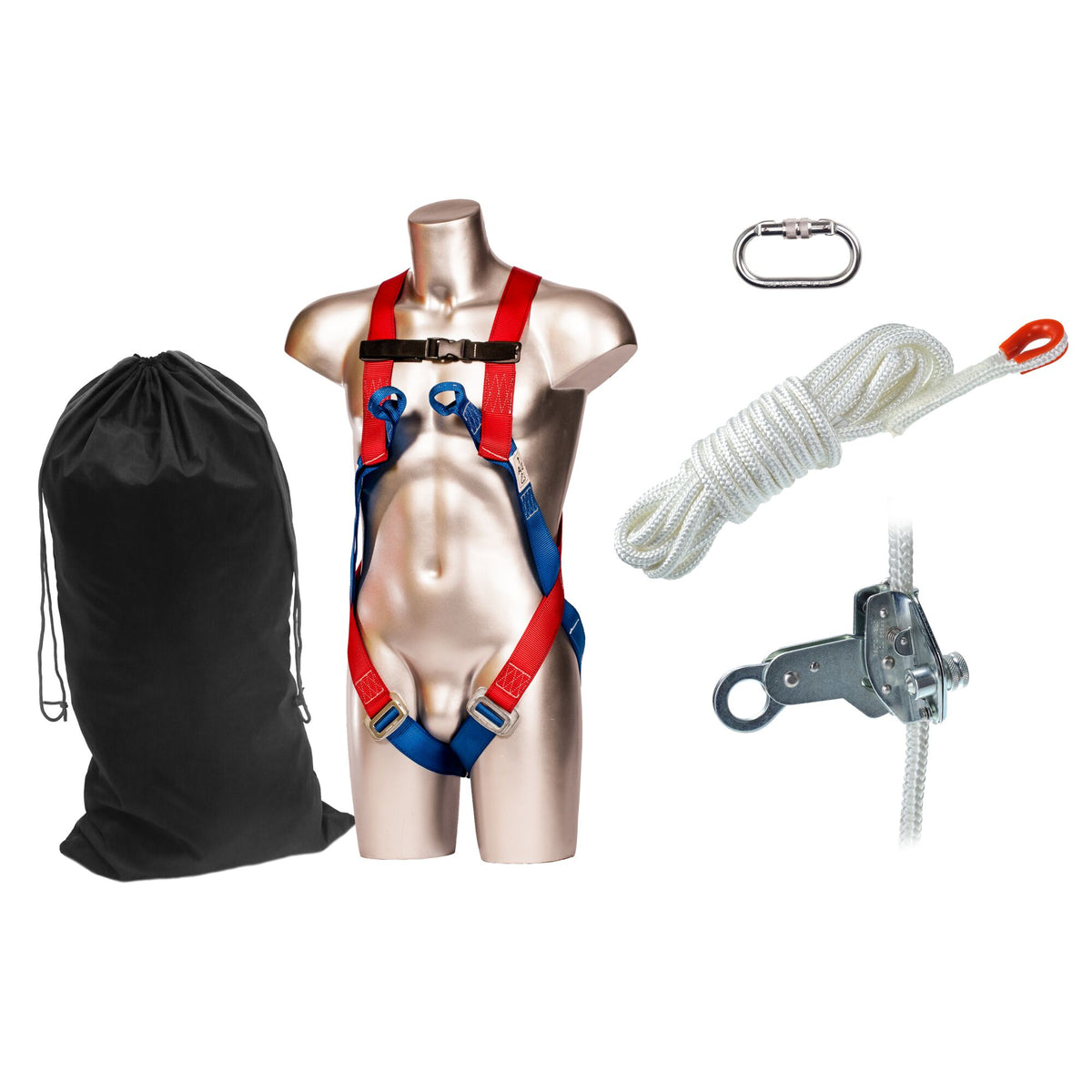
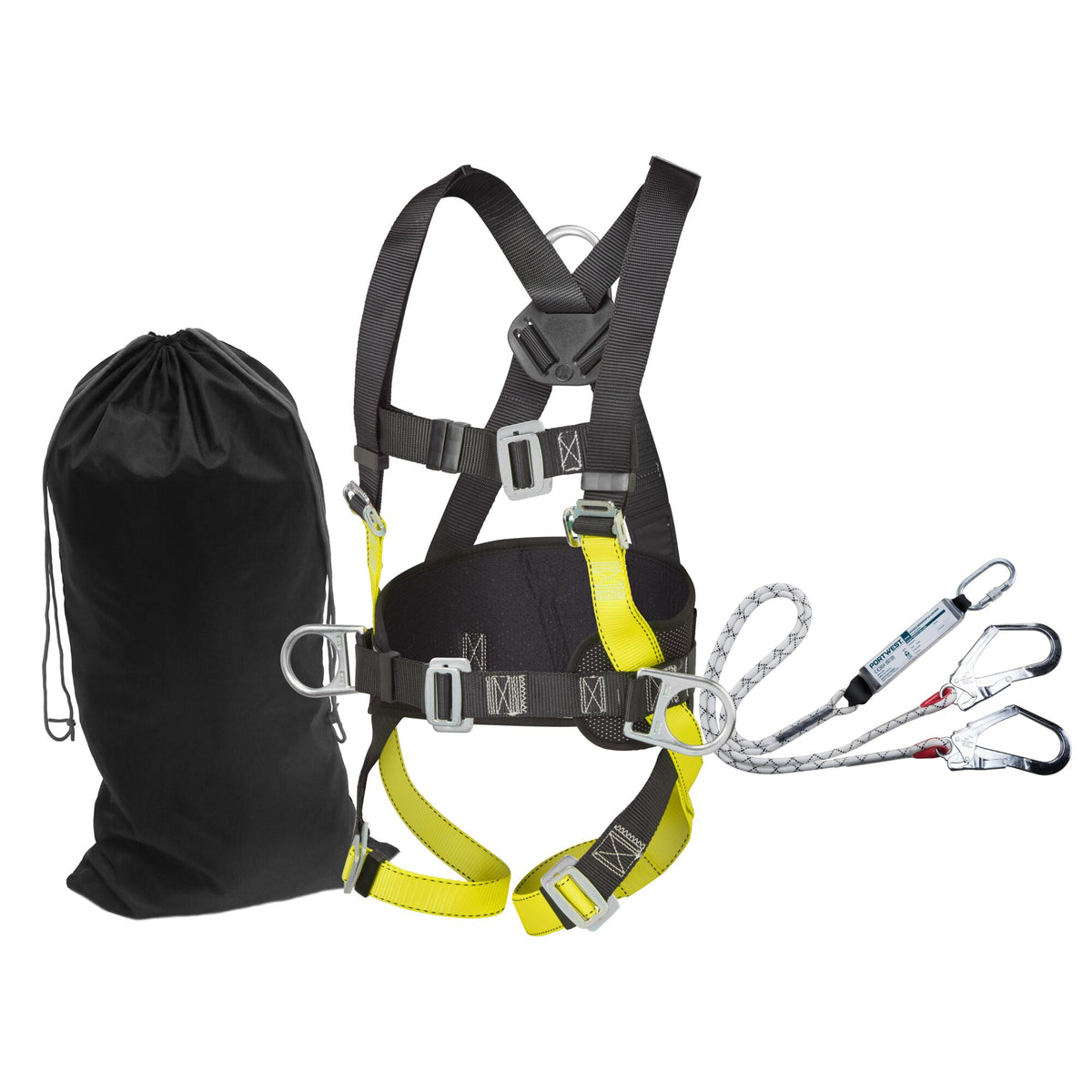
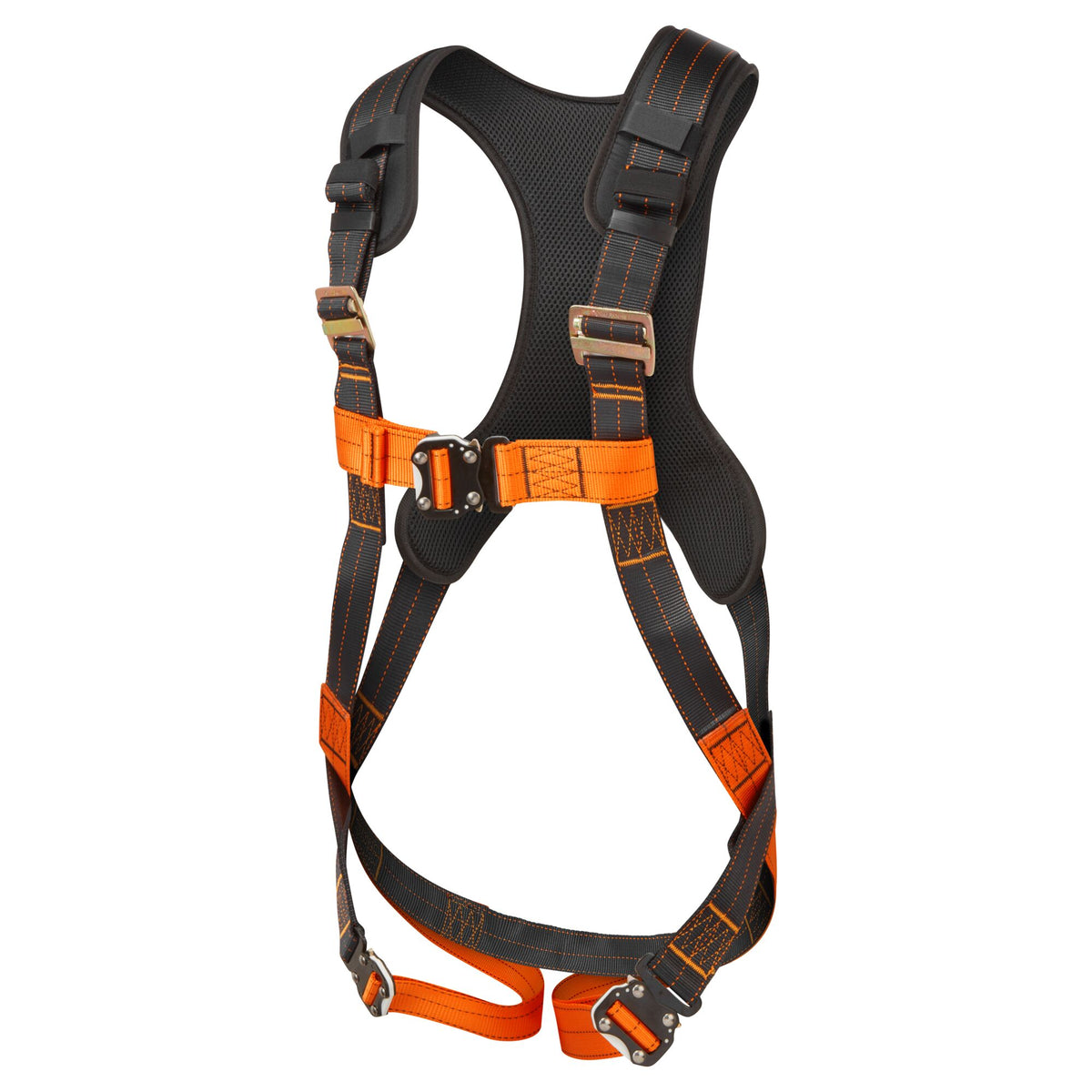
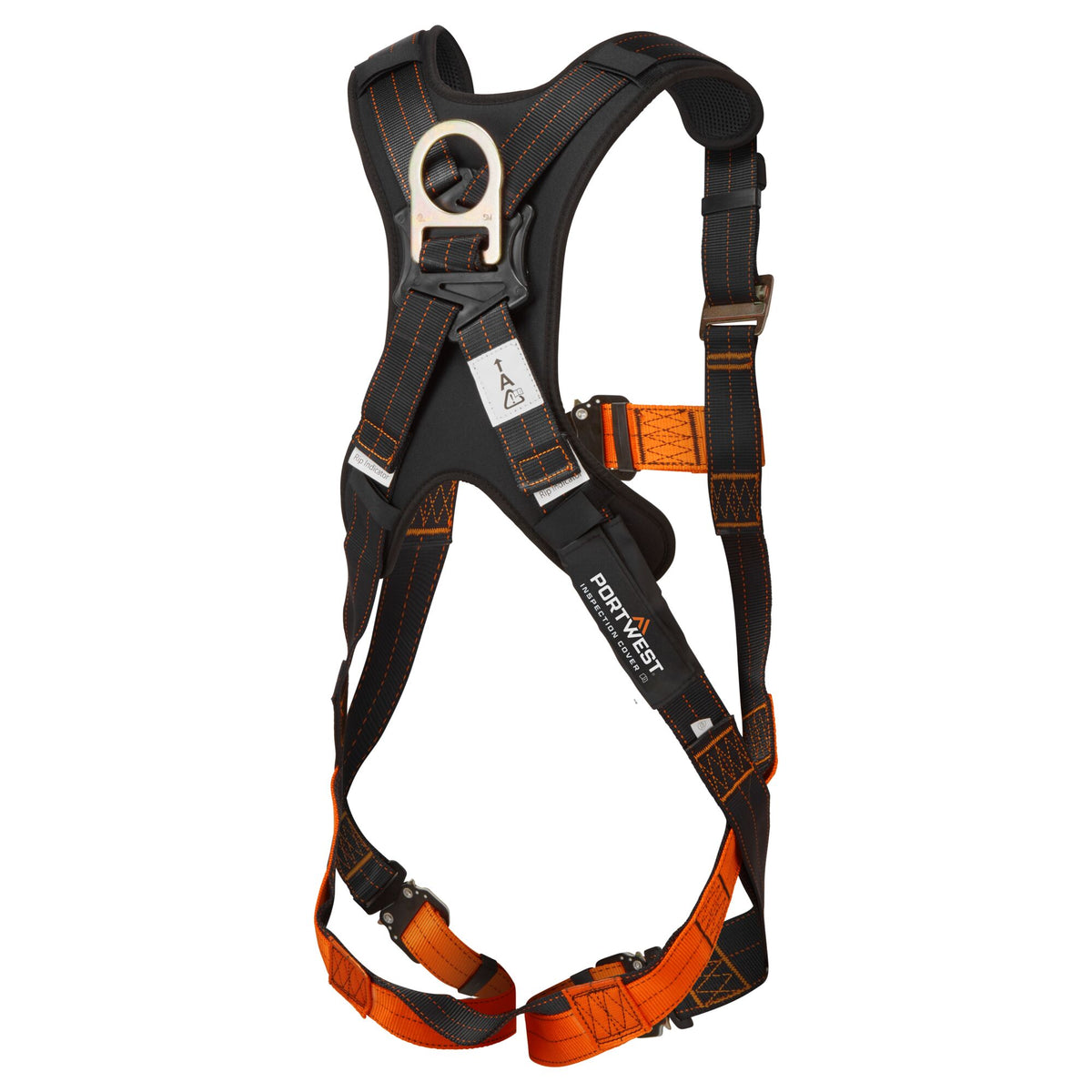
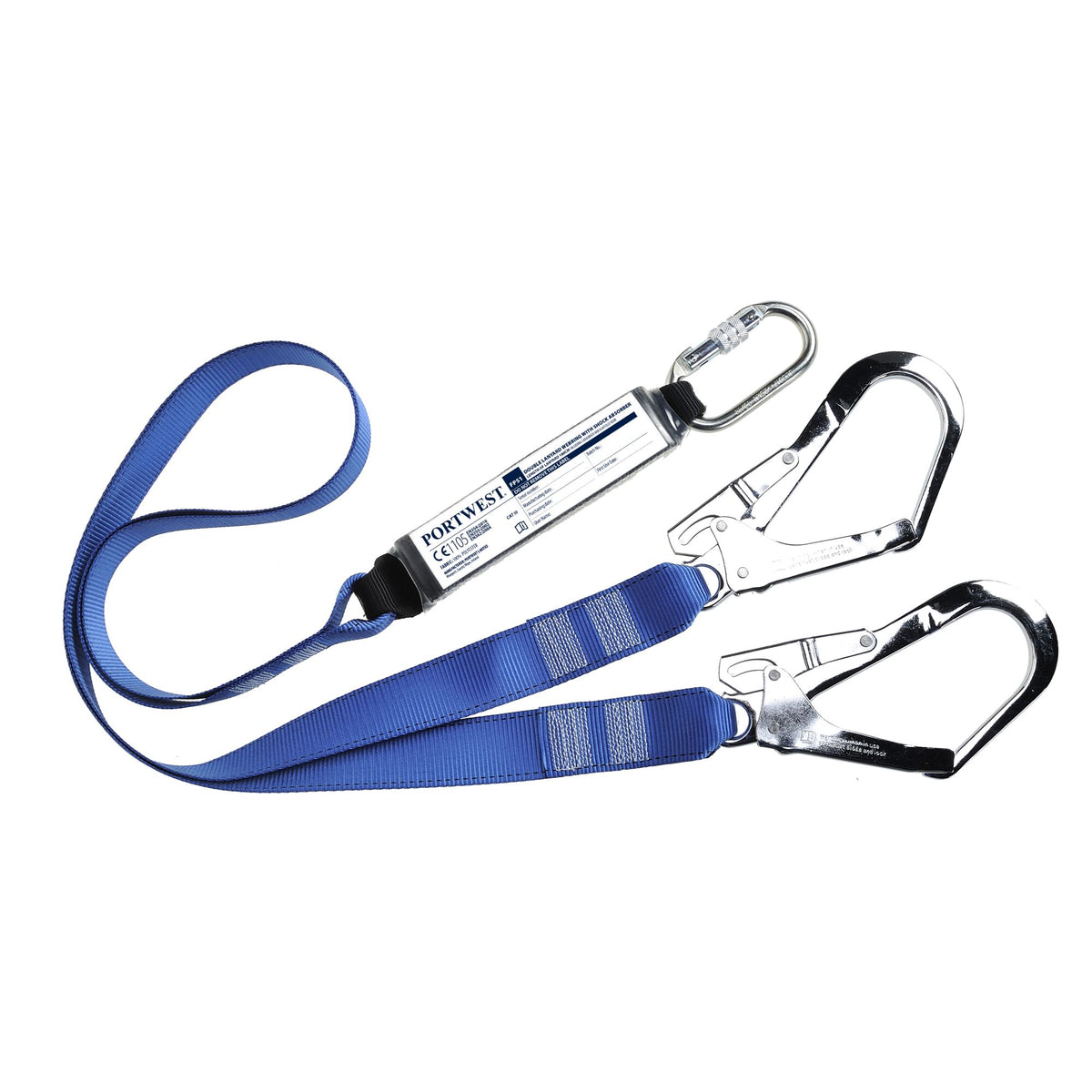
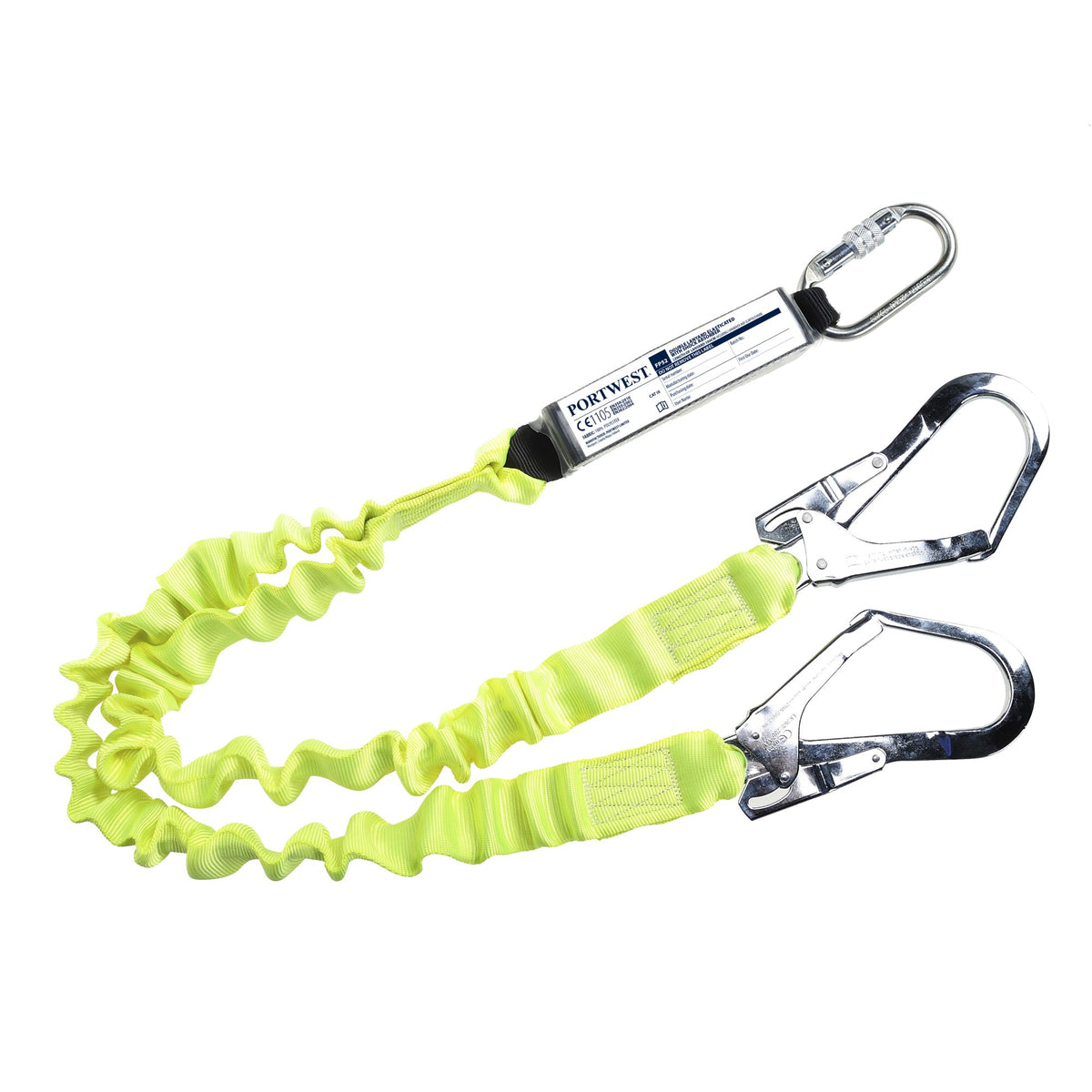
Personal fall protection only works if all three components are right. The harness according to EN 361 distributes the forces over your body and has a D-ring on the back or chest. The connecting device absorbs the fall: a lanyard with a shock absorber according to EN 355 or a fall arrest block according to EN 360 that follows your movement and locks on a fall. The anchor point according to EN 795 must be able to bear the forces; a pipe bracket or roof edge rarely is.
Always calculate the free fall clearance: the length of the lanyard, plus the extension of the shock absorber, plus your own body length and a safety margin. If that clearance isn't there, choose a system that prevents the fall rather than catching it.
Inspection and rescue plan
Fall protection must be inspected by a competent person at least annually, with a record kept. In addition, you check the equipment yourself before each use for damage, corrosion and legible labels. Also think about what happens after a fall: anyone left hanging in a harness is at risk of suspension trauma within a short time, so make sure a rescue plan and the means for it are in place.